Get Your Car Road Trip Ready Before Summer Heat
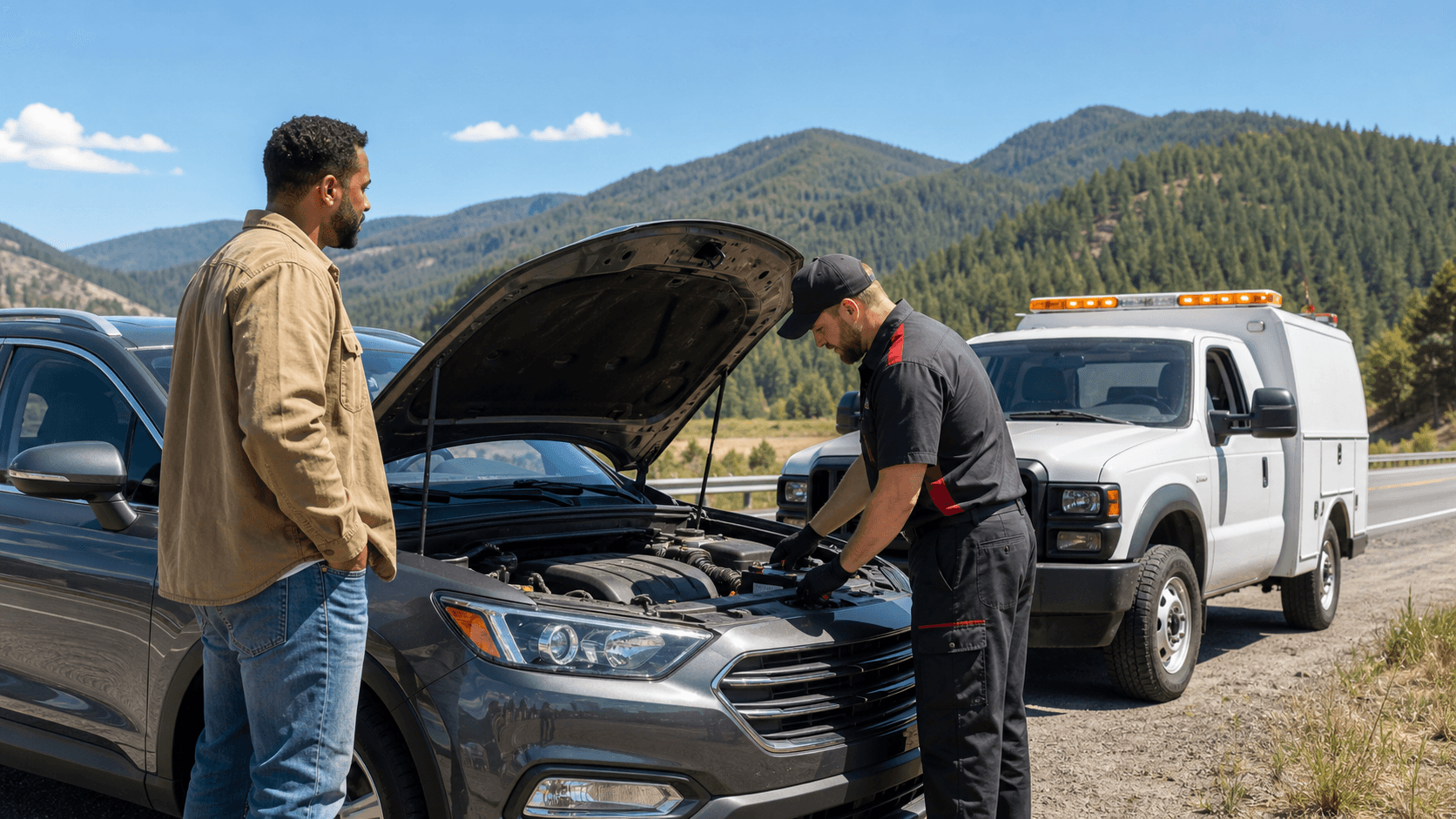
Serpentine belt replacement is one of those services that quietly protects your whole trip. If the belt fails, many of the systems you count on can quit all at once. That is not something anyone wants on a hot highway or out on a quiet forest road.
Around Sutherlin, drivers head all kinds of directions in warm weather, from I-5 runs to coastal drives and mountain getaways. On those longer drives, you lean on your air conditioning, power steering, charging system, and cooling system every mile. One belt helps power all of that. Here, we will explain what that belt does, warning signs to watch for, when to replace it, and what you can expect when you have a shop handle the work so you can travel with more confidence.
What Your Serpentine Belt Actually Does Under the Hood
On modern engines, one serpentine belt wraps around several pulleys instead of having separate belts for each part. As the engine runs, this single belt turns multiple components at once. This design keeps things simpler and usually works very reliably, as long as the belt and related parts are in good shape.
A serpentine belt usually drives:
- Alternator, which charges the battery and powers electrical systems
- Power steering pump, which gives you steering assist
- AC compressor, which keeps cool air flowing into the cabin
- Water pump on many engines, which circulates coolant to control engine temperature
If the belt slips or breaks while you are driving, several problems can hit right away. You may suddenly lose power steering assist and the wheel can feel heavy. The battery can stop charging and warning lights can turn on. If your water pump is driven by the belt, the engine can overheat quickly. AC can also stop working, which can be rough in high heat or slow traffic.
Warning Signs You Need Serpentine Belt Replacement
Serpentine belts usually give you some warning before they fail. Paying attention to early signs can save you from being stuck on the shoulder in the sun.
Common noise and visual clues include:
- Squealing or chirping right after startup
- Chirping when you turn on the AC or other accessories
- Cracks across the ribs of the belt
- Fraying on the edges or missing chunks
- Shiny or glazed spots and a loose feel when inspected
You might also notice changes in how the car behaves:
- Headlights or dash lights dimming at idle
- Battery warning light that comes and goes
- Sudden loss of steering assist or heavier steering feel
- Engine temperature creeping higher than normal
- AC that blows warm air, especially climbing hills or under load
If you notice these signs before a planned trip, it is smart not to ignore them. Heat, long grades, and extra miles can push a weak belt over the edge. A quick inspection from a professional can confirm if serpentine belt replacement is needed or if the problem is with a pulley or tensioner instead.
How Often to Replace Your Serpentine Belt Before Summer
Serpentine belts are built to last a long time, but they do not last forever. Many vehicles fall into a rough range of about 60,000 to 100,000 miles or around 5 to 7 years, but the right timing always depends on your manufacturer's schedule and the way the vehicle is used.
Some driving conditions around Sutherlin and other Oregon areas can shorten belt life, such as:
- Frequent short trips where the engine cycles hot and cold
- High heat and long climbs on mountain passes
- Towing or hauling extra weight
- Dusty or rural gravel roads
- Stop-and-go driving with lots of accessory use
That is why a spring or early summer pre-trip check is so helpful. During routine maintenance or trip inspections, a good technician will:
- Look closely at belt ribs and edges
- Check belt alignment on all pulleys
- Inspect the automatic tensioner for smooth movement and proper spring strength
- Spin related pulleys and listen for roughness or play
Catching a worn belt or weak tensioner in the shop is much easier than dealing with a breakdown hours from home.
What to Expect From Professional Serpentine Belt Service
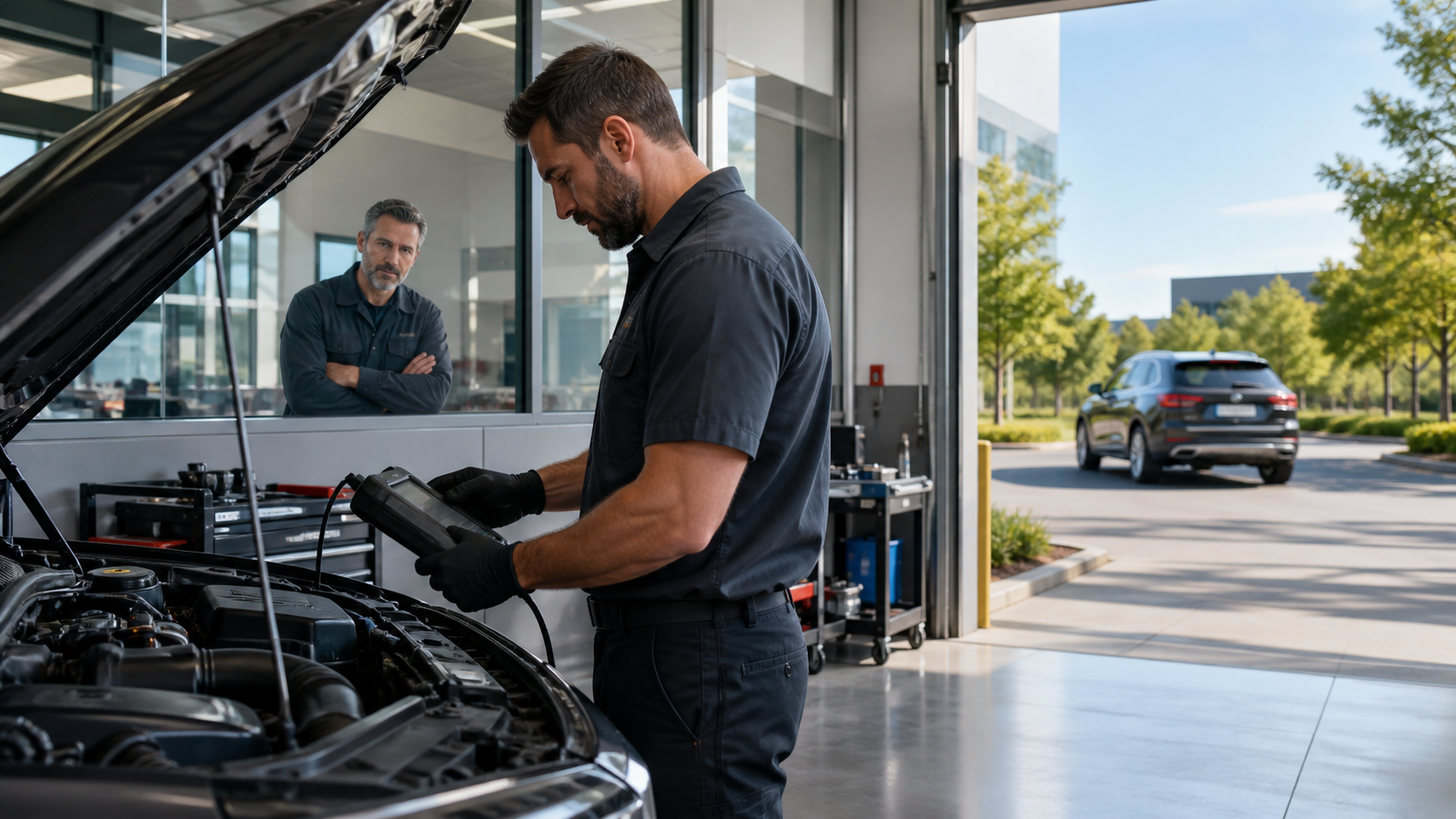
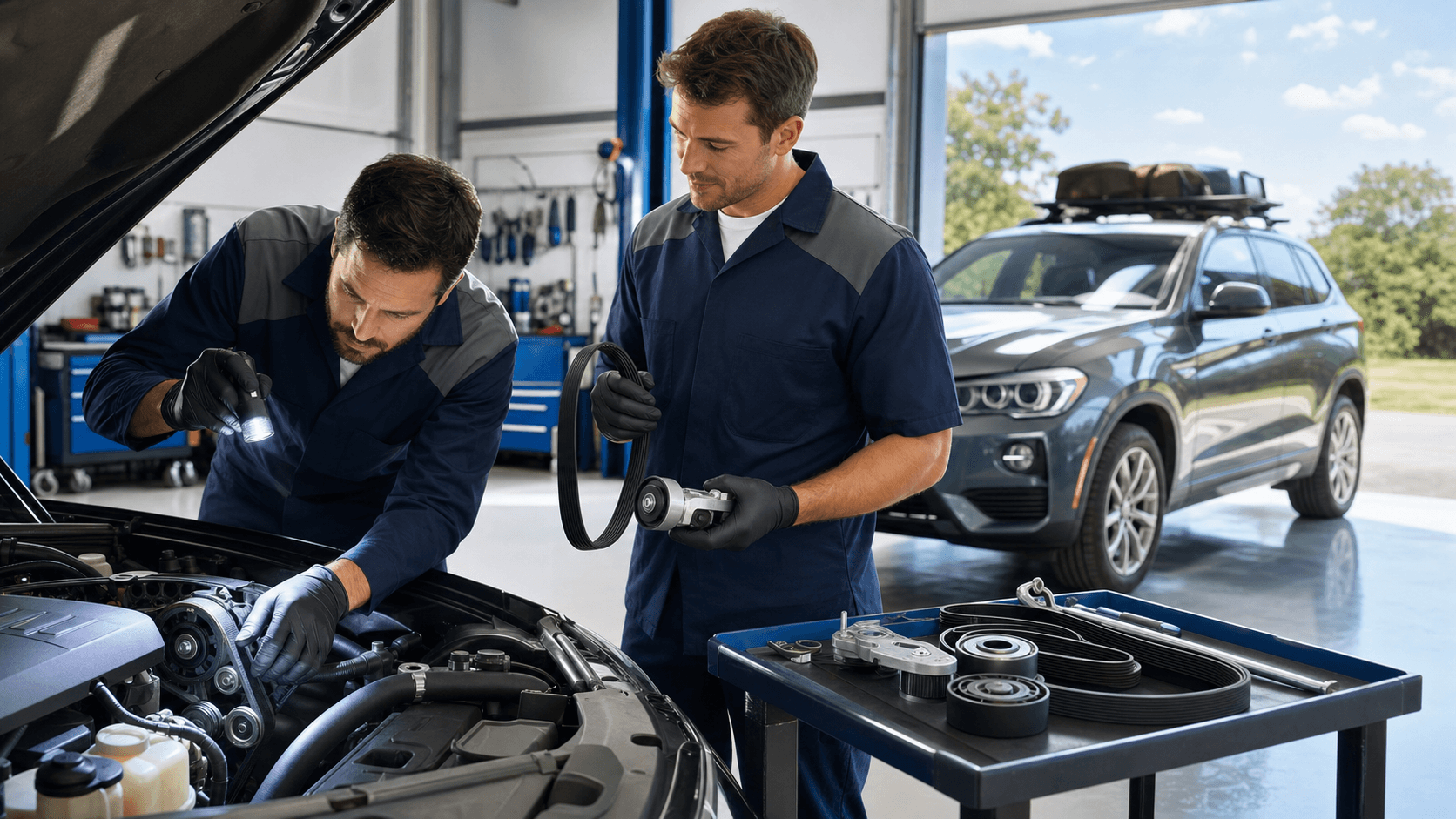
When you bring a vehicle to a professional shop for serpentine belt service, the first step is a simple inspection. The technician will look for cracking, glazing, missing ribs, and any signs of oil or coolant on the belt. They also check the tensioner and idler pulleys, because those parts guide and tighten the belt.
If replacement is needed, the technician will:
- Confirm the correct belt for your specific vehicle
- Remove the old belt and inspect all pulleys for wear
- Replace the tensioner or idler pulleys if they are worn or noisy
- Route the new belt carefully according to the factory diagram
- Set or confirm correct tension and then test operation with the engine running
On many vehicles, this can be completed the same day, and often the actual replacement time falls in the range of a couple of hours or less. Some engines, especially certain European models or tightly packed engine bays, may take longer because access to the belt is more limited or other parts need to be moved out of the way. A full-service NAPA AutoCare and ProVantage repair shop will use quality parts and check for proper charging, power steering assist, cooling performance, and AC operation before returning the vehicle.
Serpentine Belt Replacement FAQs From Sutherlin Drivers
How much does serpentine belt replacement usually cost at a shop?
Costs can vary by vehicle, belt design, and how easy it is to reach the belt. Some engines have simple layouts. Others have more complicated routing or extra components that raise labor time. If tensioners or pulleys also need replacement, that can change the final total. A professional shop will inspect the system first and then explain what is needed so you understand the work planned for your vehicle.
How long does serpentine belt replacement take?
Many serpentine belt jobs can be finished in about 1 to 2 hours once the vehicle is in the shop. Some European models or compact engine bays may take longer. A good way to manage time is to combine belt replacement with other scheduled work, such as maintenance services before a trip.
What are the most common symptoms of a bad serpentine belt?
Common signs include squealing or chirping noises, especially at startup or when accessories turn on, visible cracking or fraying on the belt, and slipping noises when the AC compressor engages. You might see a battery warning light, notice the engine running hotter than normal, or feel heavier steering. If you lose power steering assist suddenly or see the temperature gauge rise fast, the vehicle should be stopped and checked right away.
How often should I replace my serpentine belt if I road trip a lot?
If you put on a lot of highway miles, tow, or cross mountain passes, follow the manufacturer interval but ask for more frequent inspections. A seasonal check in late spring is a good habit so a technician can look over the belt, tensioner, and pulleys before hot weather and longer drives.
When should I seek serpentine belt service right away?
You should seek service as soon as possible if you hear persistent squealing or chirping, see visible cracks or fraying on the belt, notice the battery or charging warning light, feel a sudden increase in steering effort, or see the temperature gauge climbing higher than normal. If the belt breaks and you lose power steering assist, the charging system, or engine cooling, the vehicle should be stopped safely and towed to a shop rather than driven further.
Can I drive with a squeaky serpentine belt until after vacation?
A squeaky belt is often a warning that something is not right, such as glazing, misalignment, contamination, or tension problems. Heat and long grades can stress the belt and related parts even more, which can lead to sudden failure. Having it inspected before you leave is the safer choice, especially if you plan to drive through remote areas where help is limited.
Do I need to replace the tensioner when I replace the belt?
Not always, but a weak or worn tensioner can cause a new belt to slip, make noise, or wear out early. Technicians will check the spring strength, pulley surface, and alignment and then let you know if replacement is a good idea to protect the new belt and improve reliability.
Is serpentine belt replacement different on European vehicles?
Many European vehicles have tighter spaces under the hood and sometimes extra accessories, which can make access more involved. This can increase labor time compared to some domestic models. A shop that works with both domestic and European vehicles will have the right tools and service information to handle the job correctly.
Schedule Your Belt Check Before Your Next Oregon Getaway
If you are planning a drive from Sutherlin to the Oregon coast, mountain lakes, or a stretch of interstate, a simple serpentine belt check can make a big difference in how relaxed that trip feels. When your belt, tensioner, and pulleys are in good condition, your AC, steering, charging system, and engine cooling all have a better chance of doing their job without surprises.
Over the Hill Auto is a full-service NAPA AutoCare and ProVantage repair shop in Sutherlin, Oregon, and we work on both domestic and European vehicles. We can inspect your serpentine belt system, explain what we find in clear terms, and perform any needed maintenance or repairs so your vehicle is ready for safe, comfortable summer travel.
Keep Your Engine Running Smooth With Expert Care
If your vehicle is squealing, slipping, or showing signs of worn belts, we are ready to help you fix the issue before it becomes a costly breakdown. At Over the Hill Auto, our technicians provide precise serpentine belt replacement so your engine accessories stay in sync and reliable. Schedule an appointment today or contact us with any questions about your vehicle's symptoms.