How to Stay Calm and Make Smart Choices on the Road
Getting stranded with a car that will not move is stressful, especially when you are on I-5, Highway 138, or a quiet back road outside Sutherlin. Your plans stop, traffic keeps flying by, and it can feel like everything hits at once. In that moment, the choices you make in the next few minutes matter a lot for your safety and your wallet.
Staying calm and methodical is the best thing you can do. When you slow your thoughts down, you can focus on safety first, then decide whether you need emergency auto repair right away or if the problem can wait. That is how you avoid extra damage, rushed choices, and surprise costs.
We run a full-service NAPA AutoCare center here in Sutherlin, and we help drivers through these situations every day. We can help with towing coordination, quick diagnostics, and repairs for gas, diesel, and many European vehicles so you can get back on the road as smoothly as possible.
Safety First When Your Car Breaks Down Around Sutherlin
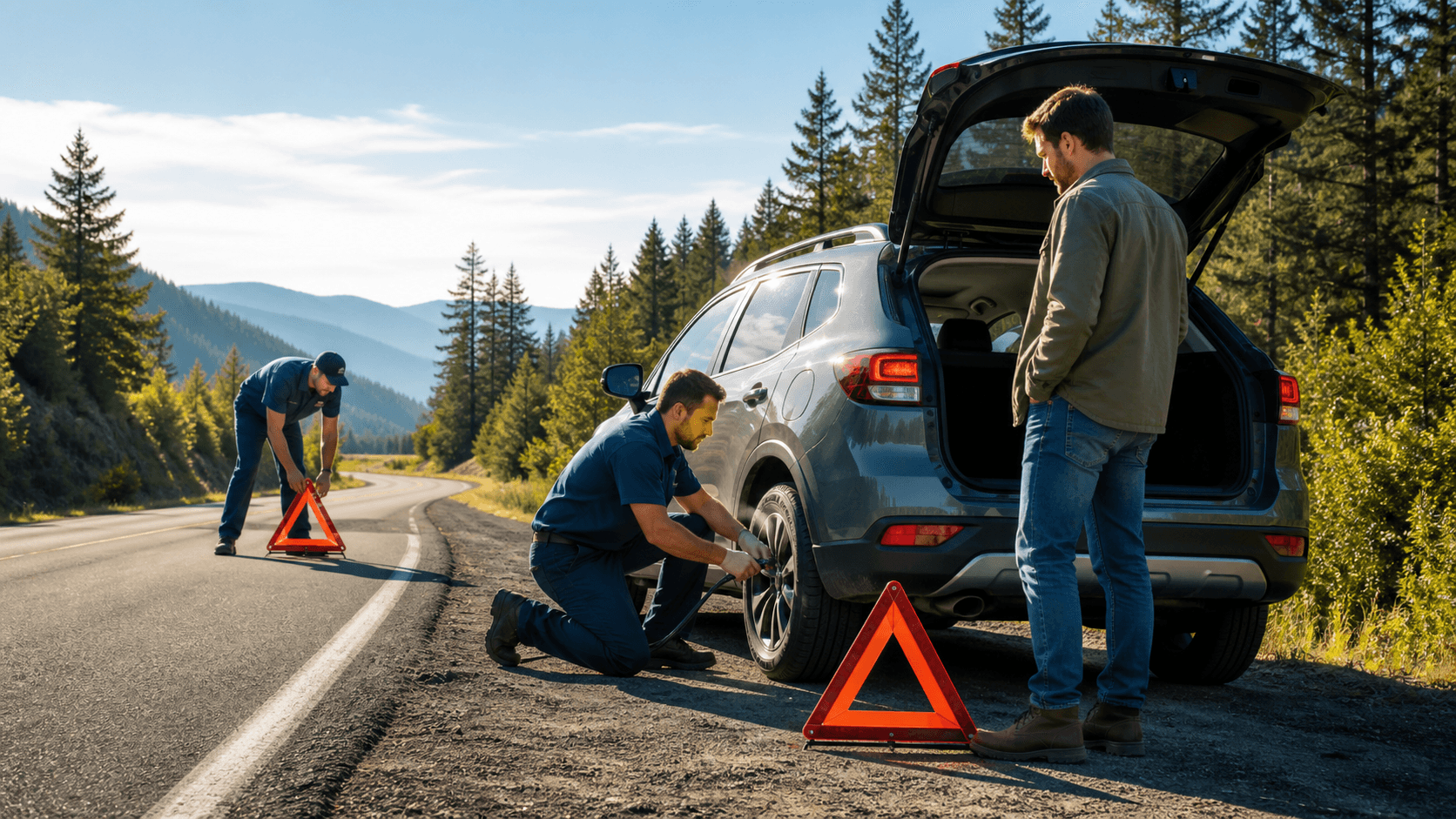
Your first job is not fixing the car. It is keeping people safe. If your vehicle is still moving, gently guide it to a safe spot.
On I-5, Highway 138, or a busy road, try to:
- Signal early and move to the right shoulder or a wide turnout
- Get as far off the travel lane as you safely can
- Turn on hazard lights and set the parking brake
- Point your front wheels away from traffic if you are on a slope
In heavy traffic, wildfire smoke, or evening glare, it is usually safer to stay inside your vehicle with your seat belt on. If you must exit, step out on the side away from traffic and move to a safe place off the roadway.
If your car dies in a dangerous location, like a blind curve, narrow shoulder, or bridge, stay calm and focus on being seen and found. Turn on hazards, stay inside if traffic is close, and note landmarks so you can describe where you are, such as mile markers, exits, or nearby signs.
A simple emergency kit can make a big difference. We suggest keeping:
- Reflective triangles or a flare alternative
- Flashlight or headlamp
- Charged phone power bank
- Drinking water and a light jacket
- Compact first aid kit
It also helps to keep an emergency info list with:
- Photos of your insurance card
- Roadside assistance number
- A trusted repair shop number
- Your preferred towing company contact
Call 911 if you see smoke or flames from under the hood, smell strong fuel, your vehicle is blocking a travel lane, or you feel unsafe because of people or wildlife nearby. Once a first responder has secured the scene, then you can think about towing and repair plans.
Deciding If You Need Emergency Auto Repair or Can Wait
Emergency auto repair means the car is not safe to drive or will not move at all. Urgent but schedulable repairs are problems that can wait for a normal appointment without putting you or your vehicle at high risk.
You should not keep driving if you notice:
- Overheating or a high temperature warning
- Brake pedal going very low or feeling soft
- Steering that suddenly feels loose or pulls hard
- Loud knocking or grinding from the engine
These can turn a fixable problem into major engine or brake damage fast.
Common roadside issues include:
Car will not start at all
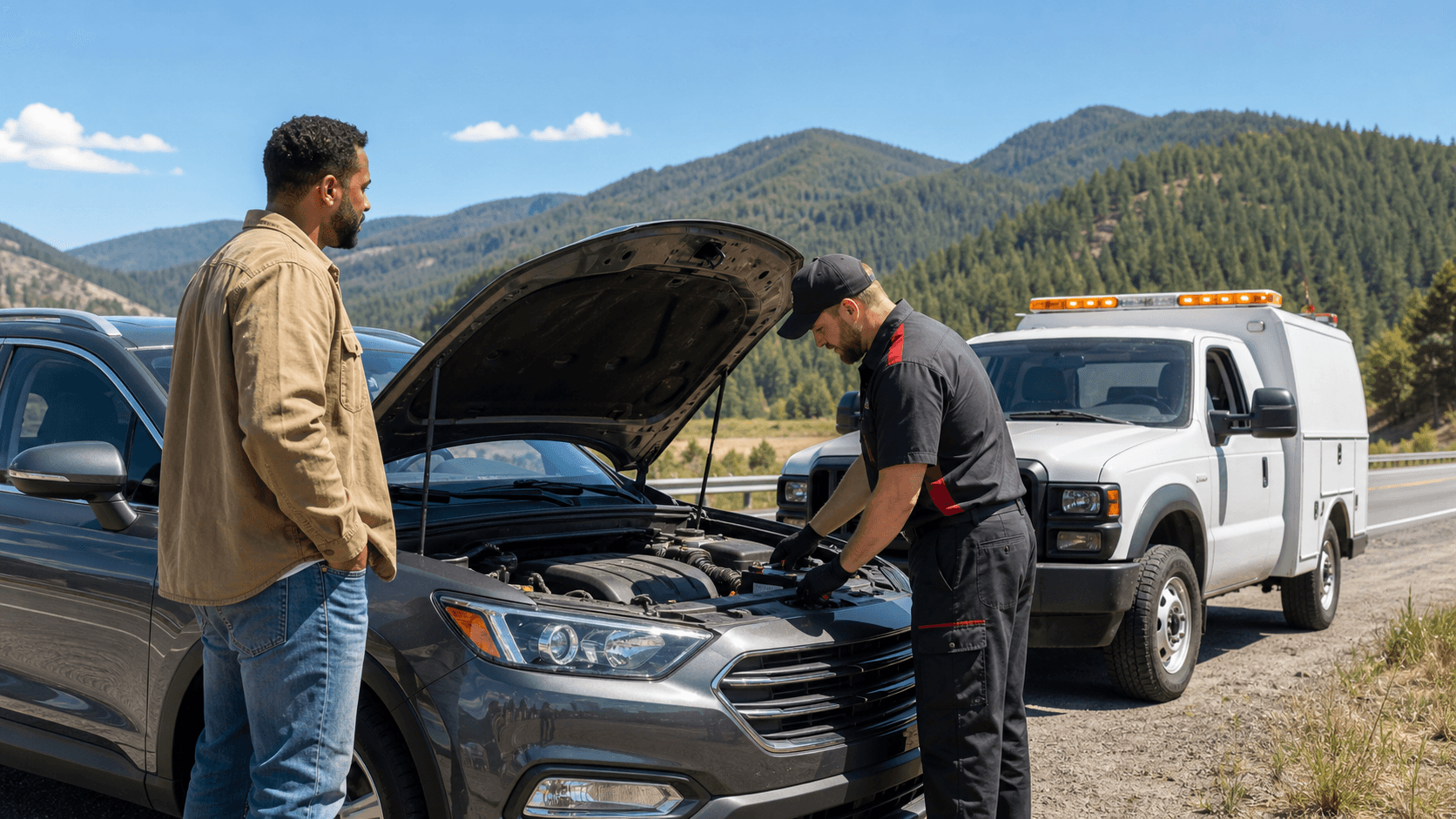
This might be a dead battery, starter problem, or a fuel or electrical fault. Modern vehicles often need proper diagnostic tools to track down the exact cause.
Overheating or hot weather temperature warnings
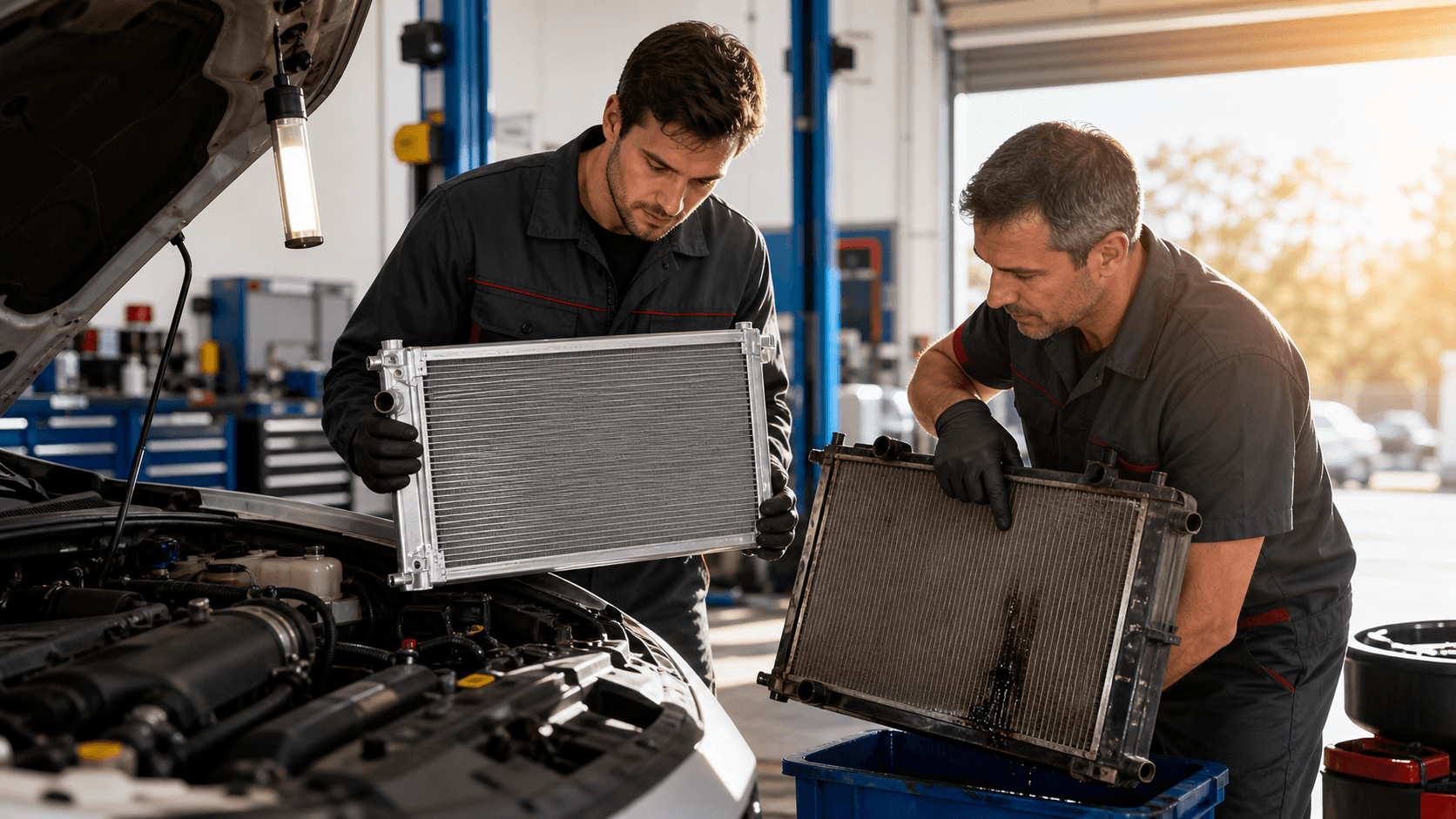
If the gauge climbs or a warning light comes on, pull over as soon as it is safe. Driving hot can damage the engine. You might be dealing with a coolant leak, a failed fan, or a thermostat issue.
Strange noises or vibrations
Grinding when stopping can point to worn brakes. A loud exhaust might mean a broken pipe. Sharp vibrations at highway speeds can point to tire or suspension trouble.
Sometimes it is safe to drive a short distance to a shop. For example, a steady check engine light with normal drivability, a minor exhaust rattle, or a small noise that does not change with speed might allow a careful drive across town. If your vehicle feels stable, steers straight, and stops normally, a slow, cautious trip from a nearby neighborhood or campground to a repair shop might be reasonable. If you are not sure, treat it as an emergency and plan for towing.
Who to Call First and How to Control Your Costs
Once everyone is safe, decide who to call. If you have roadside assistance, they can often handle:
- Jump-starts
- Flat tire changes
- Fuel delivery
- Lockouts
If the car clearly should not be driven, a tow is usually the next step. Many drivers choose to send the vehicle straight to a trusted local shop instead of a random facility. That way your car lands where people already know the area and can start helping sooner.
Before you agree to a tow, it helps to ask:
- What is the estimated wait time?
- How do they charge for mileage?
- Are there after-hours fees?
- Where exactly will they drop the vehicle?
When you talk with a repair shop, you can ask:
- Can you accept an emergency tow-in right now?
- How do you handle diagnostics?
- How will you share estimates and get approval before repairs?
Your bill will usually have a few parts: diagnostic time, parts, and labor, plus possible towing charges from the tow company. You can keep some control by setting a clear "do not exceed" amount for initial work, asking for options, and having safety items done first if you need to phase repairs.
How Over the Hill Auto Handles Urgent Breakdowns
When your vehicle arrives at our shop in Sutherlin, we start with a simple check-in. During business hours, we gather your contact details, a description of symptoms, and your keys. After hours, we use a secure key drop and a form or note so we know what happened and how to reach you.
From there, we do an initial triage. We look for safety problems like no brakes, steering issues, or active overheating. Those often get bumped up the list. If the issue is annoying but not dangerous, we put it in the normal workflow and let you know what to expect.
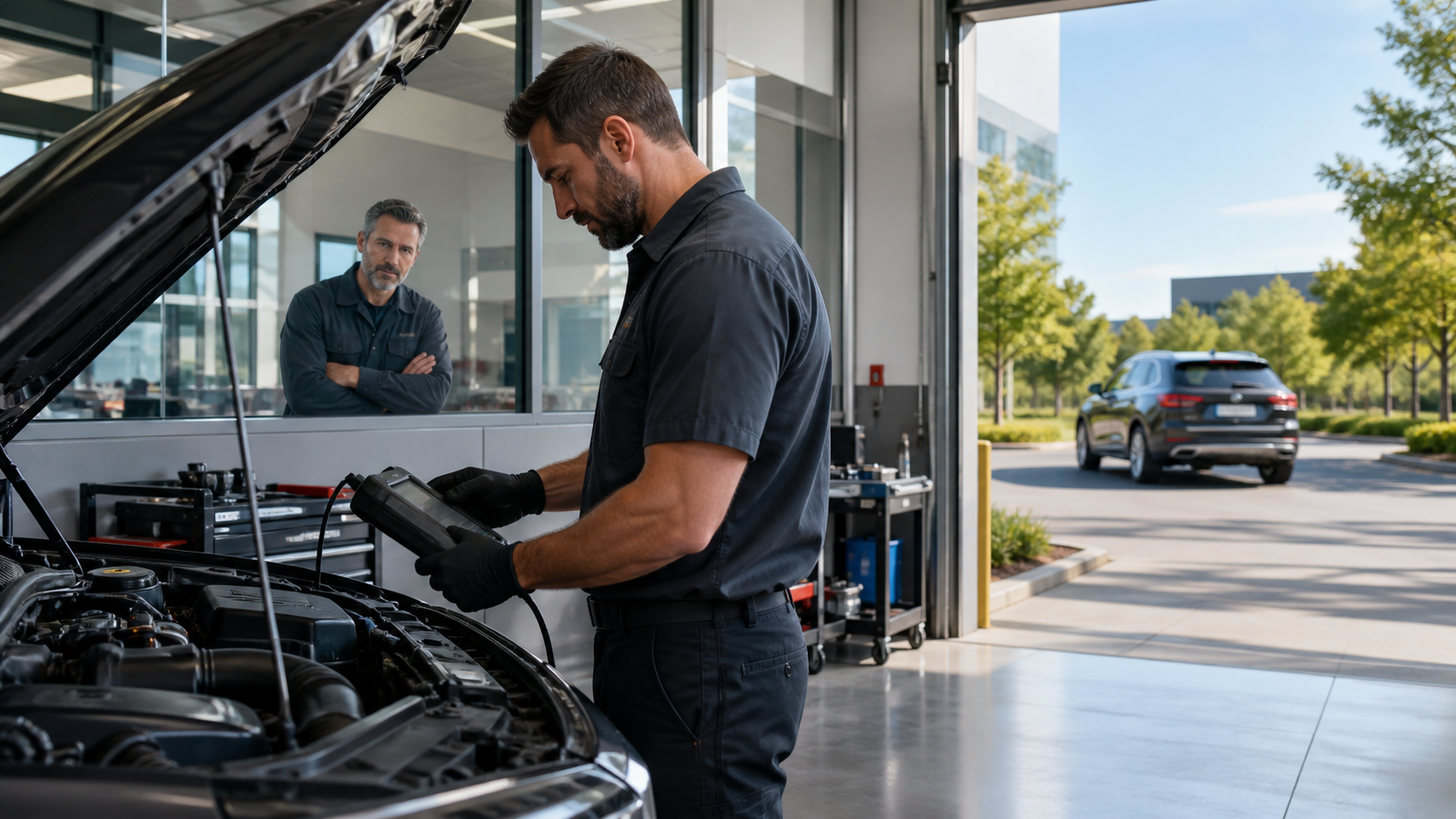
Many breakdowns today involve complex drivability or electrical issues. Late-model gas engines, diesel trucks, and many European vehicles rely on electronic systems that require proper scan tools and training. Our team uses advanced diagnostic equipment to read codes, check live data, and test components rather than just guessing and replacing parts.
We focus on clear communication. We share what we find, explain the likely cause in plain language, and go over repair options before any work starts. Updates can come by phone, text, or email, depending on what you prefer.
Some issues, like batteries or simple belt or hose failures, can often be handled the same day if parts are available. Larger jobs, like engine cooling problems, electrical tracing, or repairs that need special-order parts, can take longer. We let you know the likely timeline as soon as we have a good handle on the problem.
FAQs About Emergency Auto Repair in Sutherlin
How much does emergency auto repair usually cost in Sutherlin?
Costs vary a lot based on what failed, what parts are needed, and how much labor it takes to fix the issue. Common roadside problems include batteries, alternators, belts, and basic cooling system work. We give estimates before repairs and help you focus on items that affect safety and reliability first.
Are there extra fees for emergency or after-hours repairs?
You may see separate charges for towing, after-hours vehicle drop handling, and diagnostics. Not every breakdown needs after-hours work. Sometimes the safest and most cost-effective choice is to tow the car to a secure spot and wait until the shop opens.
How long will my car be in the shop after a breakdown?
No-starts, overheating, and warning light issues usually need diagnostic time before we can give an accurate estimate. Many basic problems can be found the same day. Timing also depends on parts availability for domestic, diesel, and European vehicles. Some parts are local, others may need to be ordered, which can turn a same-day repair into a multi-day job.
Can I get same-day emergency auto repair?
We try to prioritize safety-critical issues like brakes, steering problems, and active overheating whenever possible. The complexity of the fault and how fast parts arrive affects how quickly we can finish the job. Calling ahead and sharing clear symptoms helps us plan and often speeds things up.
When should I stop driving immediately and call for help?
Pull over right away and plan for towing if you notice:
- Temperature gauge in the red or steam from under the hood
- Brake pedal going to the floor or strong pulling while braking
- Steering that suddenly gets very light, heavy, or loose
- Strong burning, electrical, or fuel smells
- Flashing check engine light with rough running
Driving in these conditions can cause major damage or put you and others in danger.
When can I safely schedule an appointment instead of emergency service?
If your car drives normally but has a steady check engine light, mild squeaks, or small fluid spots that do not grow quickly, it may be fine to plan a regular visit. Still, it is smart to describe symptoms to a professional so they can help you decide whether to park it or drive in.
How often should I service my vehicle to avoid emergencies?
Regular maintenance and inspections help catch trouble early. Oil changes on a proper schedule, along with routine checks of brakes, cooling system, and battery, are especially important if you tow, drive in hot weather, or take long trips. Before long drives through Sutherlin or on I-5, a quick pre-trip check can help prevent roadside surprises.
What pre-trip checks should I do before a drive?
Before heading out, take a moment to:
- Look at tire pressure and tread wear
- Check for new fluid spots under the car
- Verify coolant is at the proper level in the reservoir
- Test all lights and wipers
A simple pre-trip inspection by a professional can also spot weak batteries, worn belts, and other issues before they strand you in an inconvenient place.
Turn a Roadside Crisis Into a Safer, Smarter Plan
A breakdown on the side of the road always feels overwhelming at first, but a calm plan makes it manageable. Put safety at the top of your list, decide if you truly need emergency auto repair, and use trusted local help to keep stress and damage to a minimum.
We encourage you to save towing details and a reliable shop contact in your phone before your next trip through Sutherlin or along I-5. With a little preparation and clear thinking, you can turn a roadside crisis into a short delay instead of a long, costly ordeal.
Get Fast, Reliable Help When Your Car Can't Wait
When your vehicle breaks down unexpectedly, we know you need solutions, not stress. At Over the Hill Auto, our team is ready to provide prompt emergency auto repair so you can get safely back on the road. Tell us what is going on with your car and we will walk you through your options clearly. If you are ready to schedule or have questions, just contact us and we will respond quickly.