Keep Your Cool on Sutherlin Roads This Summer
A healthy radiator is one of the biggest keys to keeping your engine happy, especially when the weather heats up and traffic along I-5 gets slow. When your cooling system is working right, your engine runs at a safe temperature and you can climb local hills without worrying about that temperature gauge creeping into the red.
Many drivers are not sure if they need a full radiator replacement or if a smaller repair will solve the problem. That guess can get expensive if it is wrong. In this article, we will talk about how your radiator works, common warning signs, when a repair makes sense, when replacement is smarter, and how local Sutherlin drivers can make a confident choice before overheating leaves them on the shoulder.
How Your Radiator Protects Your Engine
Your radiator is the heart of the cooling system, and it works with several other parts to manage heat from the engine. Coolant flows through the engine, absorbs heat, then moves into the radiator. As air passes through the radiator fins, that heat is pulled away. The water pump keeps coolant moving, and cooling fans jump in when there is not enough airflow, like at a long stoplight in town.
If the radiator or any part of the cooling system fails, heat builds up fast. When an engine overheats, it can lead to warped cylinder heads, blown head gaskets, and serious internal damage that is much more expensive than fixing the cooling system early. Summer heat, long trips between Sutherlin and Roseburg, towing a trailer, or climbing local grades all put extra stress on older radiators and hoses.
Common things that add stress to your radiator include:
- Frequent highway trips in hot weather
- Stop-and-go traffic with the AC blasting
- Towing boats, campers, or work trailers
- Driving up and down local hills with a full load
Common Signs Your Radiator Needs Attention
Radiator trouble usually gives you some warning if you know what to look for. Some signs are obvious, while others are easy to miss until damage is already starting.
Watch for these clear symptoms:
- Temperature gauge running higher than normal
- Steam or white vapor coming from under the hood
- Sweet smell from coolant, especially after driving
- Colored puddles under the front of the car, often green, orange, or pink
- Having to add coolant often because the level keeps dropping
You might also notice more subtle hints that your cooling system is struggling. The AC may not cool well when you are idling, even though it feels fine on the highway. The heater might blow cold air even while the engine temperature is high. You could also see a coolant or temperature warning light on the dash.
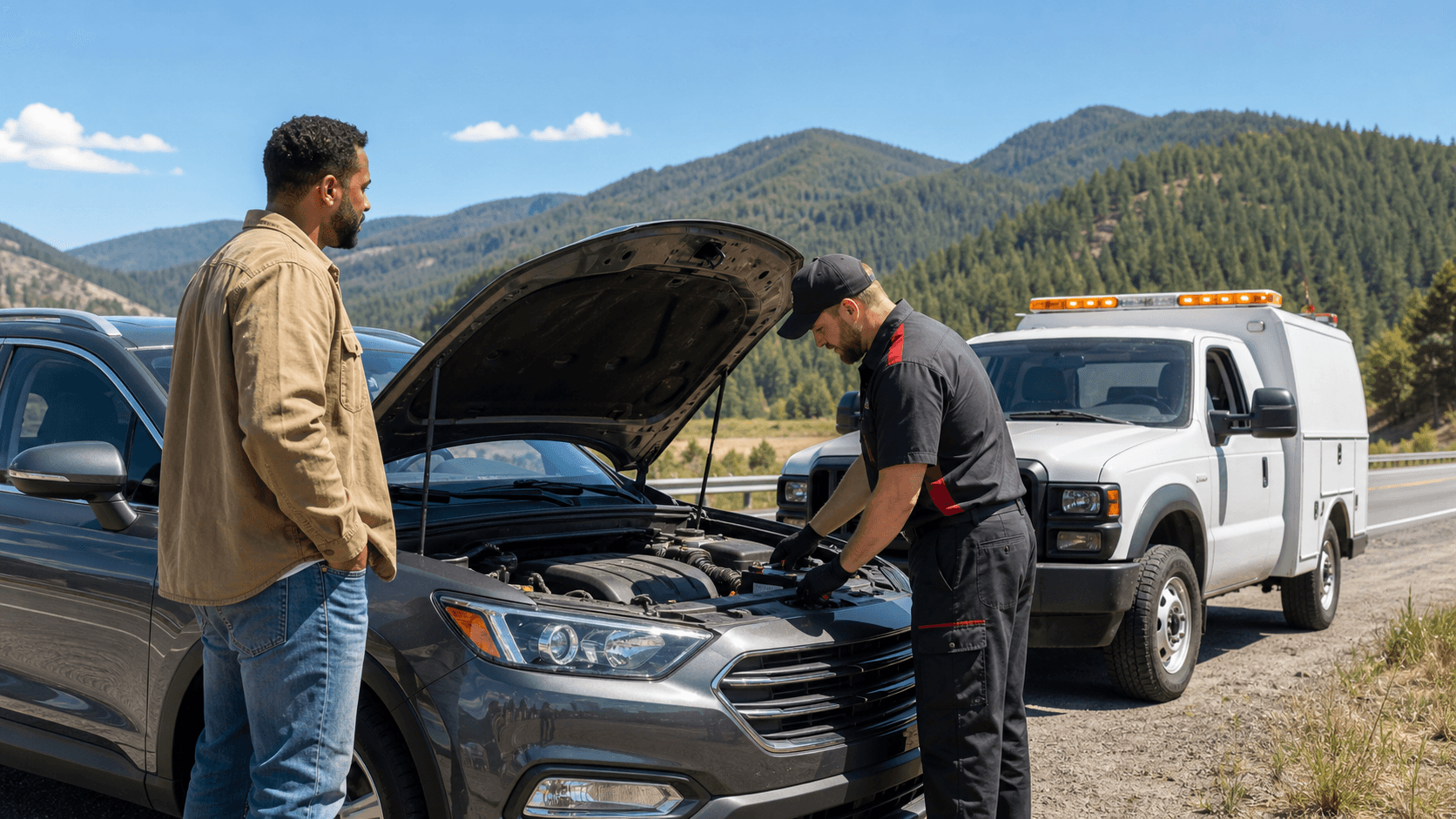
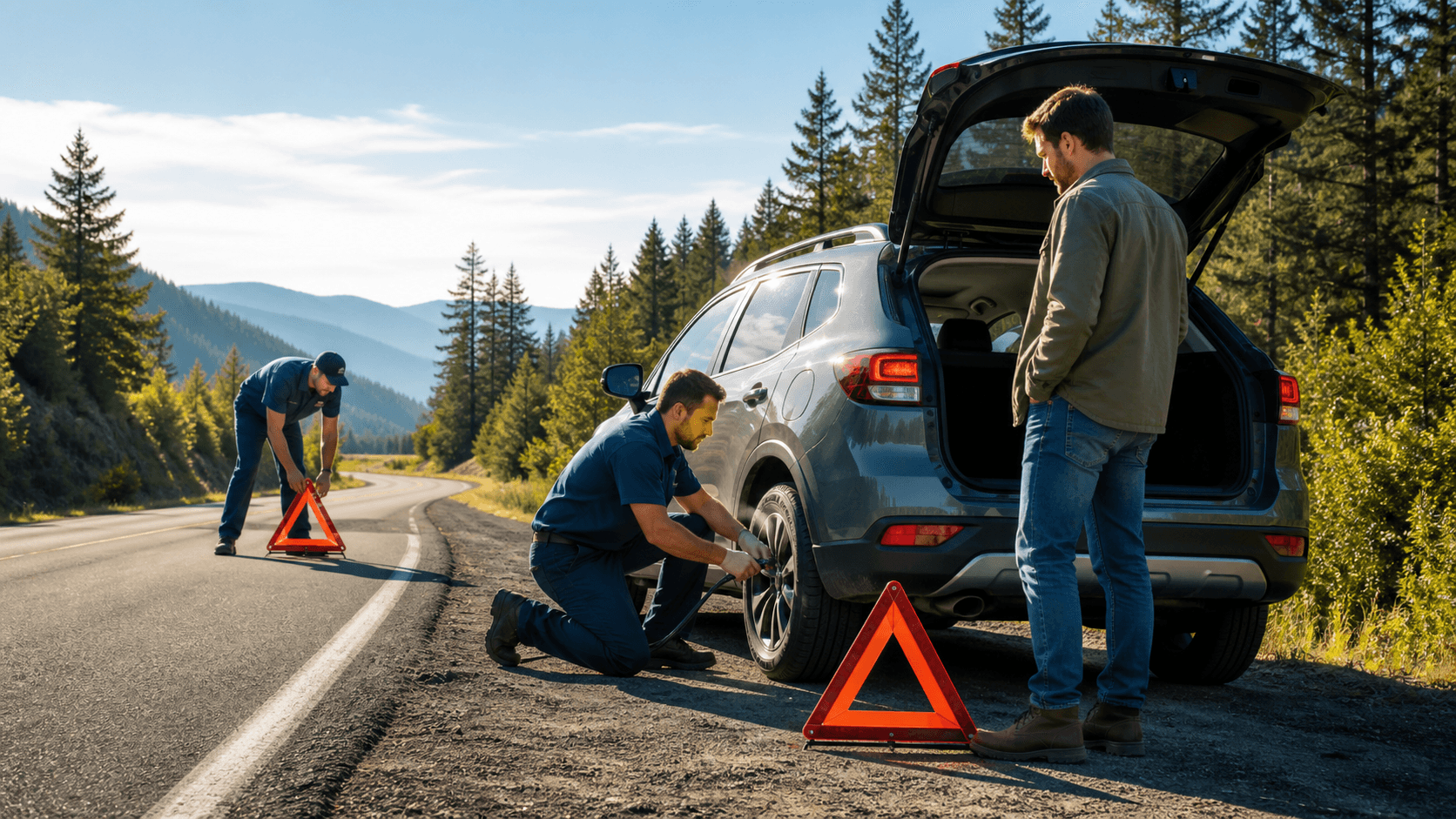
If the gauge shoots into the red or you see steam, it is important to pull over safely, turn the engine off, and let things cool down. Driving an overheating vehicle during a hot afternoon, even for a short distance, can be enough to cause major engine damage.
Repair vs. Replacement for Your Radiator
Not every cooling problem means you need a new radiator. Many issues can be fixed with targeted repairs when the radiator itself is still in decent shape.
Repairs often include:
- Replacing worn or cracked hoses
- Tightening or replacing hose clamps
- Installing a new radiator cap if it is not holding pressure
- Fixing small external leaks
- Repairing related parts like the thermostat or cooling fan
Repair is often a good choice when the leak is small and easy to reach, when damage is limited to a hose or cap, or when tests show the radiator core is still flowing well. A shop that knows cooling systems can pressure test the system, look for internal blockage, and check related parts before suggesting the most cost-effective fix. The goal is to solve the real problem, not just cover up symptoms.
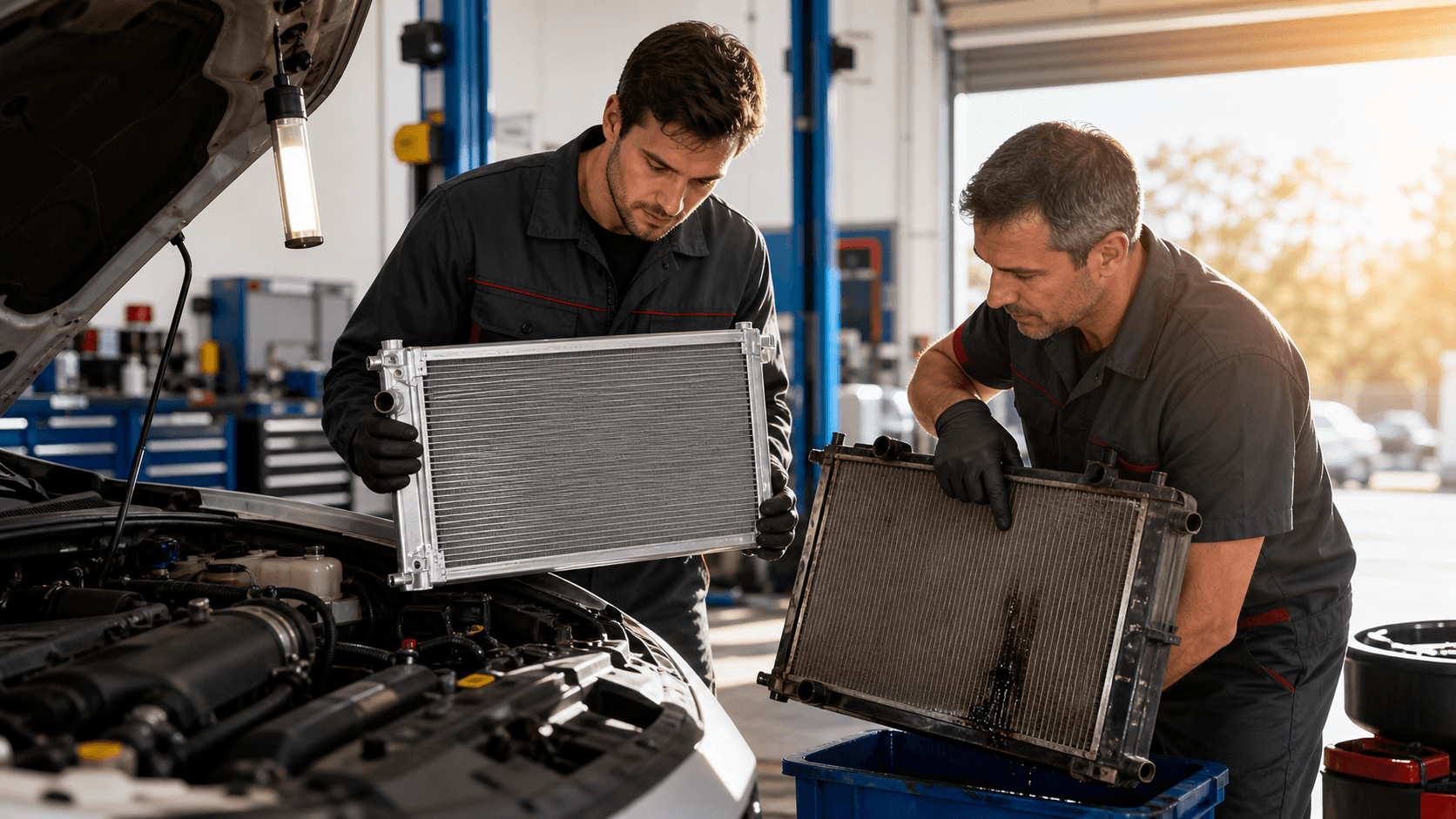
Sometimes, though, radiator replacement is the smarter long-term move. Over time, rust and scale can build up inside the radiator and restrict flow. Plastic tanks can crack, and repeated overheating can weaken the whole unit. If the core is badly clogged and cannot be flushed clean, if there are large cracks, or if the radiator has needed more than one repair already, replacement often prevents repeat breakdowns and tow bills.
Replacement makes sense when:
- There is heavy internal corrosion or rust
- The radiator has large cracks in the plastic tanks
- The engine has overheated several times already
- Flushing does not restore good coolant flow
Older vehicles, high-mileage commuters, and many European models can benefit from a quality replacement radiator. A fresh unit can bring cooling performance back to where it should be and help protect the engine on long drives in Southern Oregon heat.
How Shops Decide Between Radiator Replacement and Repair
When we look at a cooling problem, we consider more than just the leak we see. The final choice between radiator repair and radiator replacement depends on the overall health of the system and the way the vehicle is used.
Some of the key factors technicians consider include:
- Age of the radiator and vehicle
- How much rust, scale, or debris is inside the system
- Whether there have been previous radiator or hose repairs
- Driving habits, like towing or frequent mountain trips
- Signs of engine damage from overheating
A basic repair or cooling system flush can sometimes solve the issue if the radiator is still structurally sound. In other cases, replacement avoids multiple visits and extra labor over time. A careful inspection and pressure test help make that call, along with a clear explanation of what is going on under the hood.
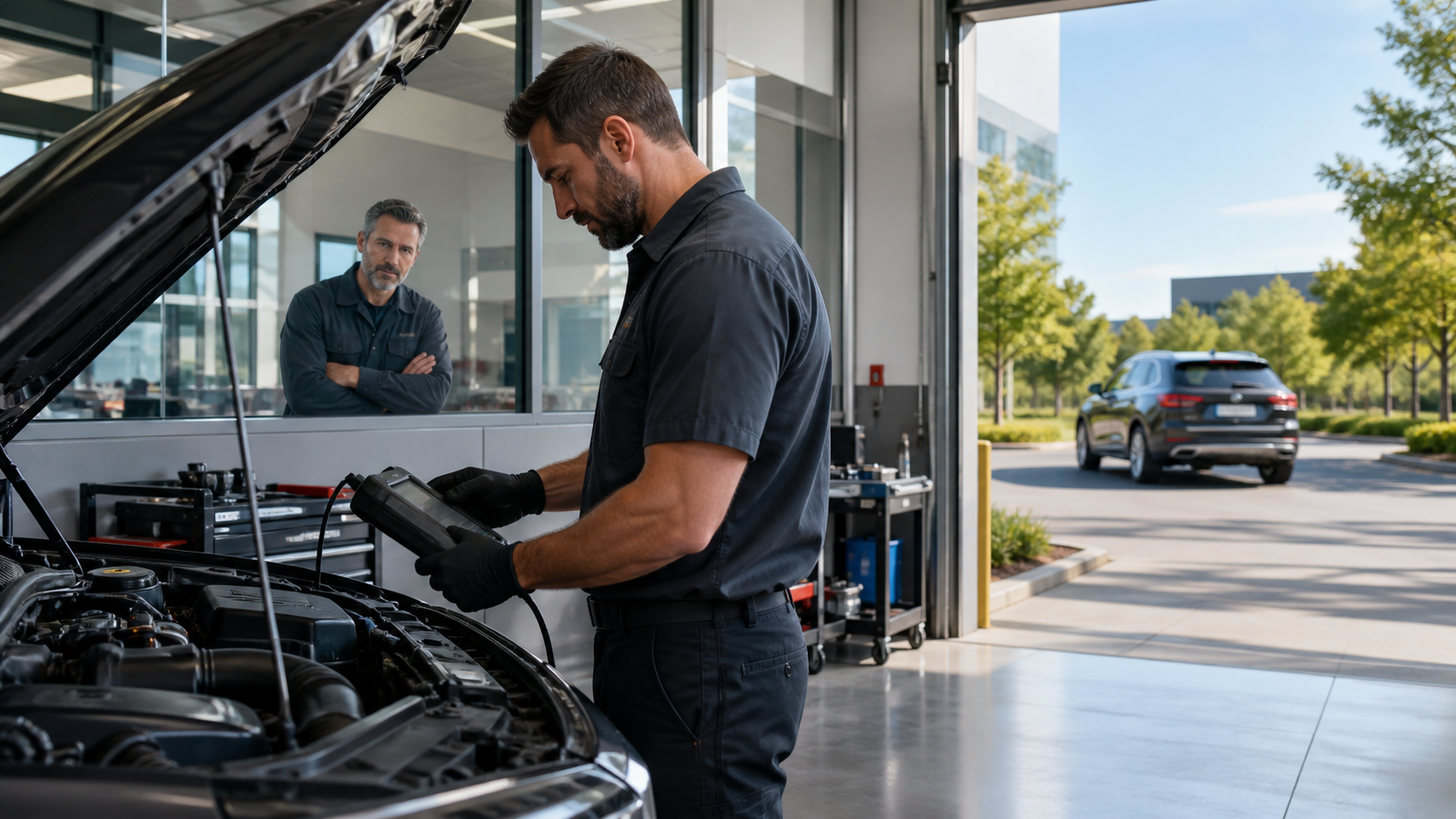
As a full-service NAPA AutoCare and ProVantage repair shop in Sutherlin, OR, we use diagnostics to get to the root of the problem before making a recommendation. We focus on clear communication, transparent estimates, and parts that meet or exceed the original quality so local drivers get reliable cooling and peace of mind on the road.
FAQs About Radiator Service in Sutherlin, OR
How much does radiator replacement usually cost in Sutherlin?
Pricing depends on your vehicle, the type of radiator it needs, parts brand, and whether related components like hoses or thermostats also need work. As a general guideline, many passenger vehicles fall into a broad range from a few hundred dollars for simpler domestic models to higher costs for European or specialty vehicles. We provide a written estimate up front so you know what to expect before any work begins.
How long does radiator replacement or repair take?
Many simple repairs can be completed the same day, often within a few hours, especially if parts are readily available. Full radiator replacement and related work like hose and thermostat replacement usually fit into a single business day as well. More complex vehicles or severe corrosion issues may take longer, and we will let you know the expected turnaround time when you schedule.
What are the most common symptoms of a bad radiator?
The big warning signs include overheating, frequent coolant loss, discolored or rusty coolant, puddles under the front of the vehicle, and dashboard warning lights. Changes in heater or AC performance, especially at idle, are also common.
How often should I service or flush my radiator?
Coolant flush timing depends on your vehicle and coolant type, measured in both years and miles. Many modern vehicles call for coolant service roughly every 5 years or 50,000, 100,000 miles, while older vehicles or those that see harsh temperature swings from hot summers to chilly winters may benefit from more frequent checks and service. At a minimum, it is a good idea to have the coolant level and condition checked at every oil change and to follow the maintenance schedule in your owner's manual.
When should I seek radiator service?
You should schedule cooling system service if you notice any signs of overheating, coolant leaks, a sweet smell from under the hood, rusty or sludgy coolant in the reservoir, or if it has been several years or tens of thousands of miles since your last coolant service. Preventive checks before summer heat, long road trips, or towing are also a smart way to avoid breakdowns.
Can I keep driving if my car is overheating?
It is not a good idea to keep driving with the temperature gauge in the red. Turn off the AC, turn the heater on high if it is safe to do so, pull over as soon as you can, shut the engine off, and let it cool. Continuing to drive hot can quickly lead to serious engine damage.
Is radiator replacement always better than repair?
No. Many cooling problems can be safely fixed with a repair when the radiator is still in good shape. Replacement is the better choice when the radiator is worn out, badly corroded, cracked, or has caused repeated overheating issues. Professional testing helps make that decision with confidence.
Can I use stop leak instead of radiator repair?
Stop leak products might slow a small leak for a short time, but they can also clog small passages in the radiator, heater core, or other parts. This can create more problems later, and they are not a replacement for proper repair.
How can I make my new radiator last longer?
You can help extend radiator life by having the cooling system inspected during routine service, using the correct type of coolant, keeping coolant at the right level, and watching for early signs of leaks or overheating. Following the recommended coolant change intervals and addressing small problems early helps protect your engine and keeps your vehicle ready for Sutherlin roads year-round.
Restore Reliable Cooling Performance Today
If your engine is running hotter than it should or you have coolant leaks, we are ready to help you get back on the road with confidence. At Over the Hill Auto, our technicians can inspect your system, recommend the right radiator replacement, and handle the job efficiently. Reach out to our team with questions or to schedule an appointment through our contact page.