Keep Cool on Oregon Backroads All Summer
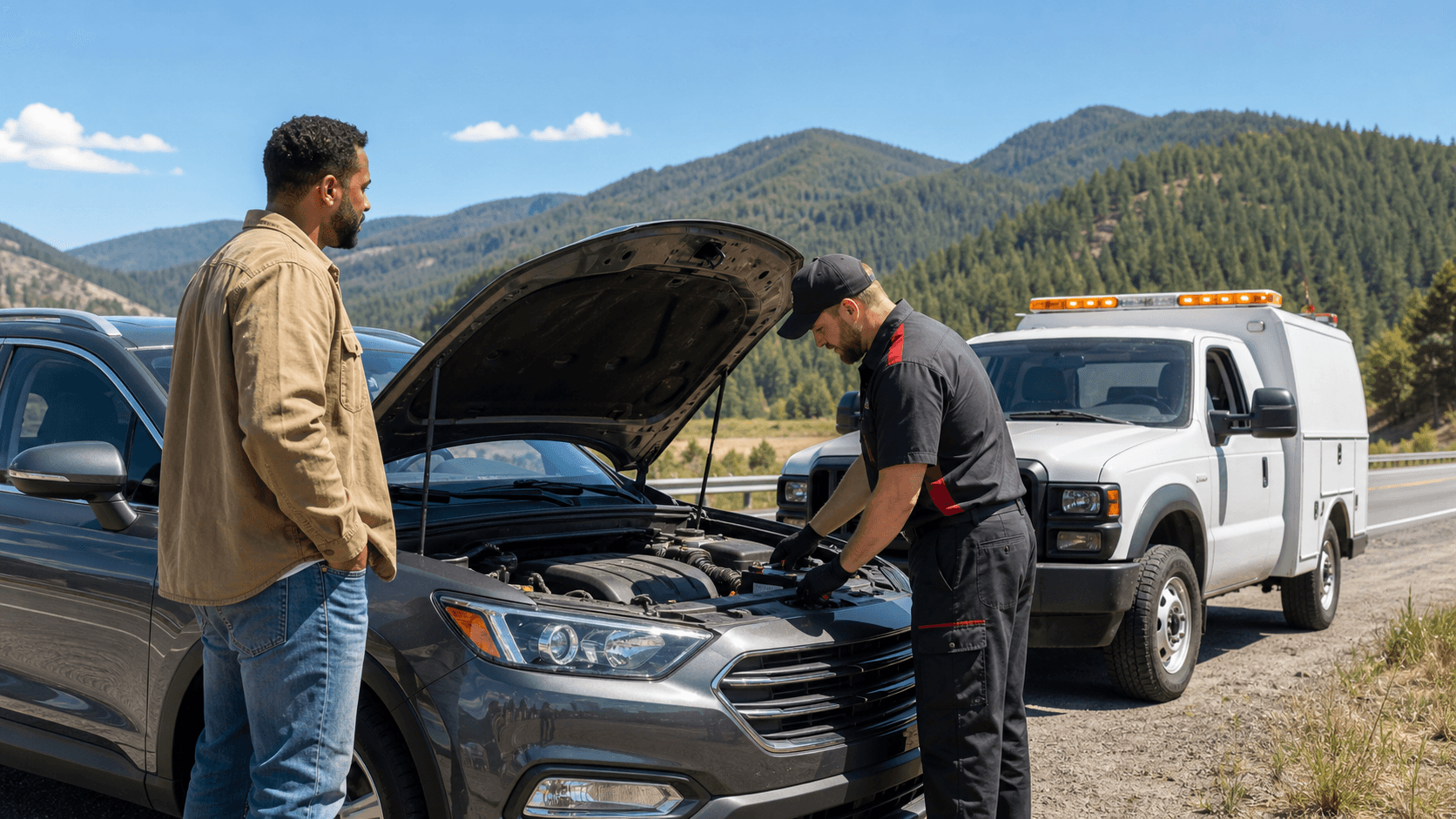
Dusty roads and summer heat can make your car's AC feel like it is barely trying. If you spend time on Sutherlin backroads, Forest Service routes, or long gravel driveways, your cabin air filter and blower motor take a serious beating. That can leave you sweating, even with the fan on high.
We want to help you understand what is going on under the dash and how a simple cabin filter and AC check can keep air moving and cool. When you take care of these small parts, you avoid bigger car air-conditioning repair problems and keep your rides more comfortable on every Oregon backroad.
Dry dirt, gravel dust, and wildfire ash do not just stay outside. They get pulled into your HVAC system and quickly pack into the cabin air filter. Once that filter is plugged up, the AC has to work harder, and your blower motor can start to struggle. Simple, regular maintenance keeps all of that in check and gives your AC a fair chance against summer heat.
How Dusty Roads Beat up Your Cabin Air Filter
Your cabin air filter is like a small dust mask for your car. Air from outside passes through it before it blows through your vents. The filter is designed to catch:
- Dust and dirt
- Pollen and plant debris
- Small leaves or bugs
- Ash and smoke particles
On smooth highways, that filter loads up slowly. On gravel roads, logging routes, ranch or vineyard lanes, it fills much faster. Dry July conditions around Douglas County mean more loose dirt, more passing trucks, and more fine dust hanging in the air. Every mile you drive in those conditions pushes more grit into that small filter.
As the filter gets packed, air has a harder time getting through. You may notice:
- Weak airflow, even with the fan on high
- A musty or dusty smell when the fan starts up
- Louder fan noise with less air actually coming out
- Windows that fog and clear slowly
- More dust collecting on your dash and seats
Many people think their AC is "losing its cold" when the real problem is that not enough air is getting past that clogged filter. The system may still cool, but you do not feel it because the airflow is choked off.
When a Clogged Filter Stresses Your Blower Motor
When the filter is plugged, your blower motor has to push against a wall of resistance. To try to get enough air into the cabin, you may turn the fan speed higher and higher. That added load means the blower works hotter and wears out faster.
A struggling blower motor can show up as:
- The fan only works on certain speeds
- Squealing, chirping, or grinding sounds behind the dash
- Air that cuts in and out as you drive
- A fan that stops working completely
If the blower motor overheats, it can damage internal parts or connected wiring. That is when simple airflow trouble turns into larger car air conditioning repair needs. You might feel:
- Uneven cooling from different vents
- Cool air at first, then almost nothing as you drive
- Sudden loss of fan power even though the AC light is on
By catching the clogged filter early, you make life much easier for the blower motor. That helps you avoid being stuck with no fan on a hot afternoon on the way to the lake or the coast.
Smart Filter and AC Maintenance for Oregon Backroads
Drivers who stay mostly on paved highways can often wait longer between cabin filter services. But if you live on gravel, run up forest roads for hunting, or drive ranch and vineyard routes, your schedule should be tighter.
A simple rule of thumb for dusty Oregon driving is:
- Have the cabin filter inspected at each oil change, or about every six months
- Do not wait for a smell or big loss of airflow before checking it
- Plan extra checks during long dry spells or after heavy wildfire smoke
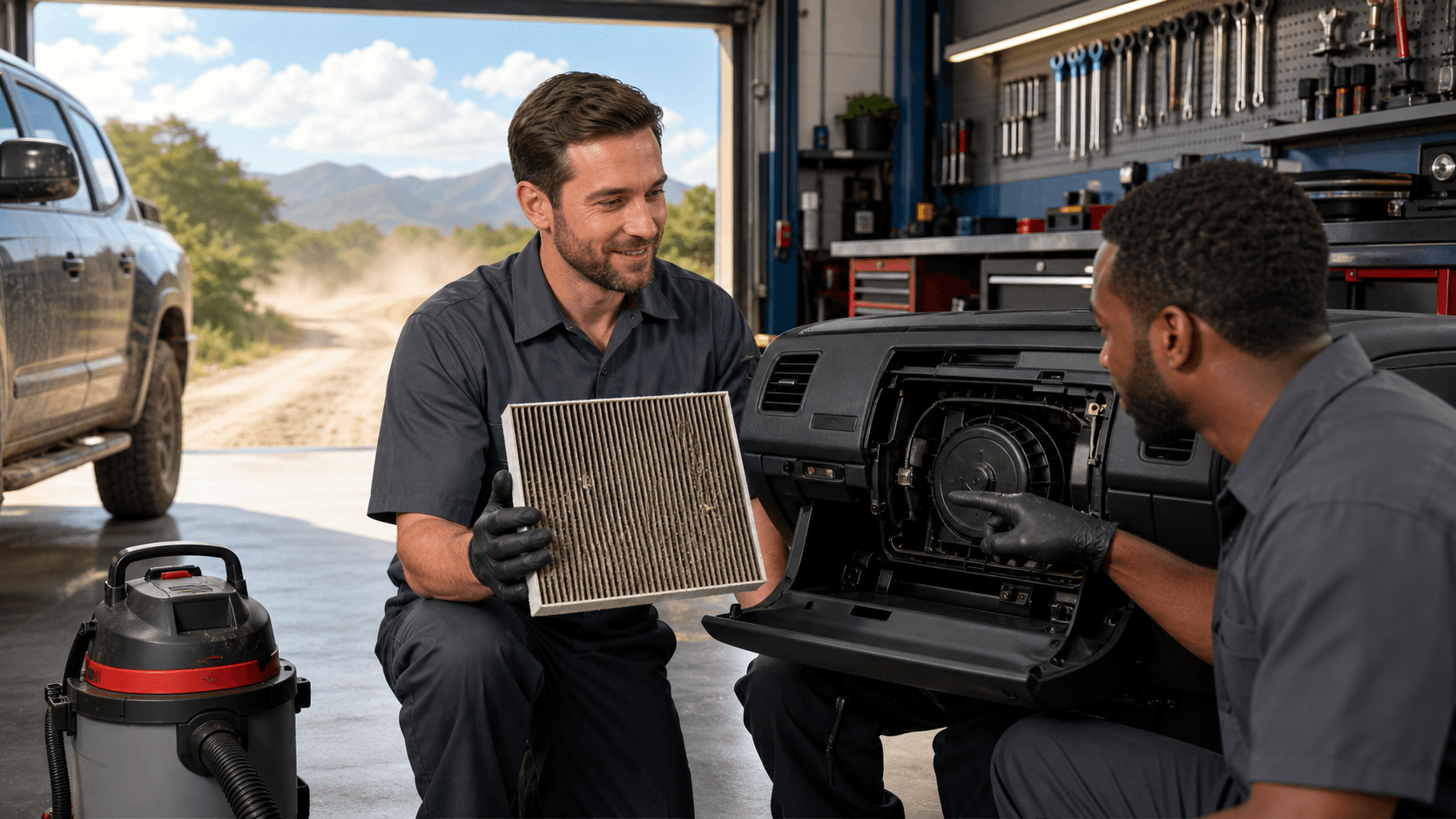
Cabin air filters are usually located:
- Behind the glove box
- Under a panel near the passenger side of the dash
- In some cases, under the cowl at the base of the windshield
A clean filter looks light in color and you can see the pleats clearly. A dirty one may look gray or brown, with leaves, bugs, or a layer of fine dust packed between the folds. Once it looks loaded or smells musty, it is time to replace it, not just tap it out.
We often recommend pairing a cabin filter change with a basic AC system check. That can include:
- Confirming the blower motor is drawing normal power
- Listening for early bearing or fan noises
- Checking vent temperature and airflow patterns
- Inspecting visible ducts and drains for blockages
Catching problems at this stage helps you avoid surprise breakdowns and bigger car air conditioning repair work later in the season, when you really want the cold air to keep up.
FAQs About Cabin Filters, Blower Motors, and AC Care
We hear many of the same questions from Oregon drivers who spend time on dusty roads.
Pricing expectations
- Cabin air filter service is usually one of the simpler AC-related jobs on most vehicles. The type of filter and how hard it is to access in your specific model can affect the final cost.
- Blower motor repair or replacement is generally more involved than a filter change because it often requires more time and parts. Taking care of the filter early can help lower the chance that you will face this bigger bill later.
Service duration
- A standard cabin air filter replacement is typically a short visit and can often be done while you wait, depending on vehicle design.
- Blower motor diagnosis and repair usually takes longer, since we need to test the circuit, check airflow, and access the motor itself.
Symptoms and warning signs
- Common signs of a clogged cabin filter or stressed blower motor include weak airflow, strange smells, noisy fan operation, and windows that stay foggy.
- Weak airflow with normal fan sound can point to filter or duct issues, while airflow that fades in and out or changes speed on its own can hint at blower or electrical issues. Warm air from the vents, even with good airflow, can be a sign of low refrigerant or other AC system problems.
Maintenance intervals for Oregon drivers
- Rural drivers on gravel or unpaved roads should expect to replace their cabin filter more often than mostly highway or city drivers.
- A quick check before and after busy summer road trip season or hunting season on dusty backroads helps keep things under control.
When to seek professional service
- Mild dust smell or a small change in airflow can often wait until your next service visit, as long as it does not get worse.
- If the fan only works on high, makes loud noises, blows hot air, or stops working, it is best to have the HVAC system inspected right away so you are not left without AC during a heat wave. A full check of the filter, blower motor, ducts, and AC components helps show whether you need a simple cleaning or a more complete car air conditioning repair.
Keep Your AC Ready for Every Oregon Backroad
Oregon backroads are hard on your vehicle's HVAC system, but regular care keeps your cabin cooler and your components happier. Fresh cabin filters, healthy blower motors, and basic AC checks go a long way toward making each drive more comfortable, from the coast to the lakes to the mountains.
At Over the Hill Auto in Sutherlin, we work on domestic and import vehicles and understand how local dust, gravel, and smoke affect your car's AC. A little attention now helps protect your comfort, extend the life of your parts, and reduce the odds of an unexpected car air conditioning repair when you would rather be enjoying the drive.
Stay Cool and Comfortable on Every Drive
If your AC is blowing warm air or struggling to keep up, we can diagnose the issue and get cold air flowing again. Explore our car air conditioning repair options to see how we handle everything from simple recharges to complex system fixes. At Over the Hill Auto, we focus on clear communication, accurate estimates, and reliable workmanship. Have questions or want to schedule an appointment now? Just contact us.