Stop Small Coolant Leaks Before They Kill Your Engine
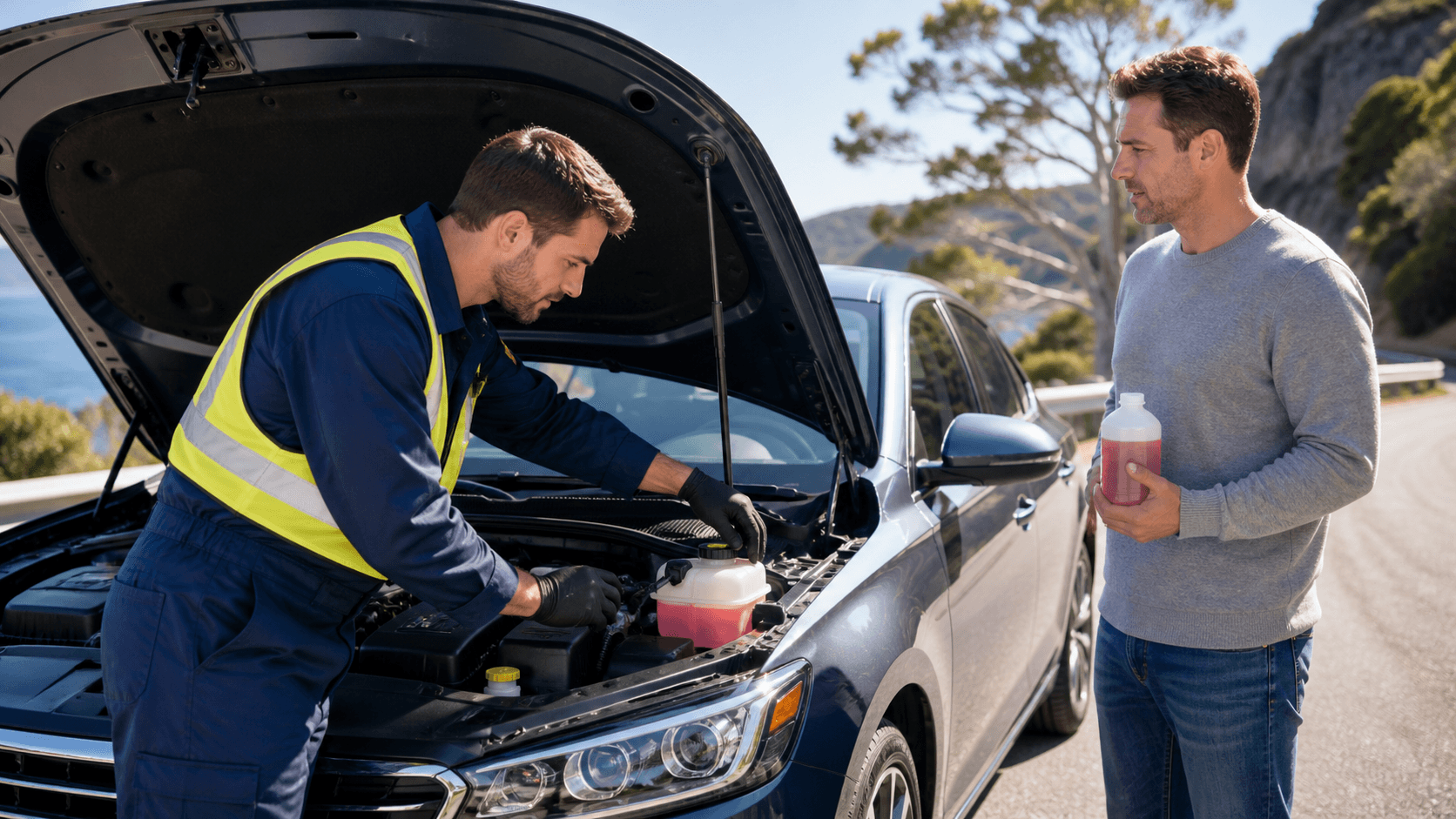
A small green or orange spot under your car can look harmless. Many drivers in the Sutherlin area see a few drops on the driveway, top off the coolant, and keep going. Then one day the temperature gauge pegs hot, the engine loses power, and they are stuck on the side of the road with major engine damage.
Modern engines, especially many European and diesel models, run hotter and use tighter parts clearances than older vehicles. They do not handle overheating well. A short drive with low coolant can be enough to warp a cylinder head or damage a head gasket. That "little" leak can turn into a big repair.
In this article, we will walk through common coolant leak repair mistakes that damage engines, what to watch for, and why careful testing is so important before you trust your vehicle again.
Hidden Dangers of Driving with a Coolant Leak
Coolant is much more than colored liquid in a tank. It's the only thing standing between your engine and extreme heat and cold. When the weather swings in fall and early winter, the cooling system works harder. You are using the heater more, making longer trips, and sometimes pulling grades on wet and cold roads.
Coolant does several jobs at once:
- Controls engine temperature so metal parts do not overheat
- Protects against freezing so it does not expand and crack parts
- Fights rust and corrosion inside the engine and radiator
- Feeds hot coolant to the heater core so your cabin stays warm
If you just keep topping off a slow leak, a few things can happen over time:
- The engine slowly runs hotter than normal, stressing gaskets and seals
- The head gasket can start to leak, allowing compression and exhaust gases into the coolant
- Cylinder heads can warp from repeated overheating
- The engine can fail early from constant heat cycles and low coolant level
So even if the leak seems minor, driving with it is a long-term risk for the engine, heater, and even the transmission on some vehicles that share cooling circuits.
DIY Coolant Leak Fixes and Overheating Mistakes That Backfire
Many coolant leak repair mistakes start with "quick fixes" that sound good in theory but cause trouble later.
One of the biggest issues is pouring in stop-leak products. While these can sometimes slow a drip, they can also:
- Clog small coolant passages in the engine
- Plug up heater cores and reduce cabin heat
- Restrict flow through radiators, especially on European and diesel vehicles with tighter passages
Another mistake is guessing which part is bad instead of testing. People often replace:
- The radiator when the real issue is a water pump or hose
- The coolant reservoir when the leak is from a nearby fitting
- A random clamp while a hidden heater core is leaking inside the dash
This guesswork wastes money and does not protect the engine.
Coolant type is another problem area. Mixing different colors and formulas can reduce corrosion protection and shorten coolant life. Using straight water instead of the correct mix can:
- Raise the freezing point
- Lower boiling protection
- Increase rust inside the system
Overheating behavior also matters. Some drivers keep going with the gauge in the red because they "just need to get a little farther." That can be the moment an engine crosses from repairable to ruined. It only takes a short period of extreme heat to:
- Warp heads
- Blow head gaskets
- Damage plastic parts and hoses
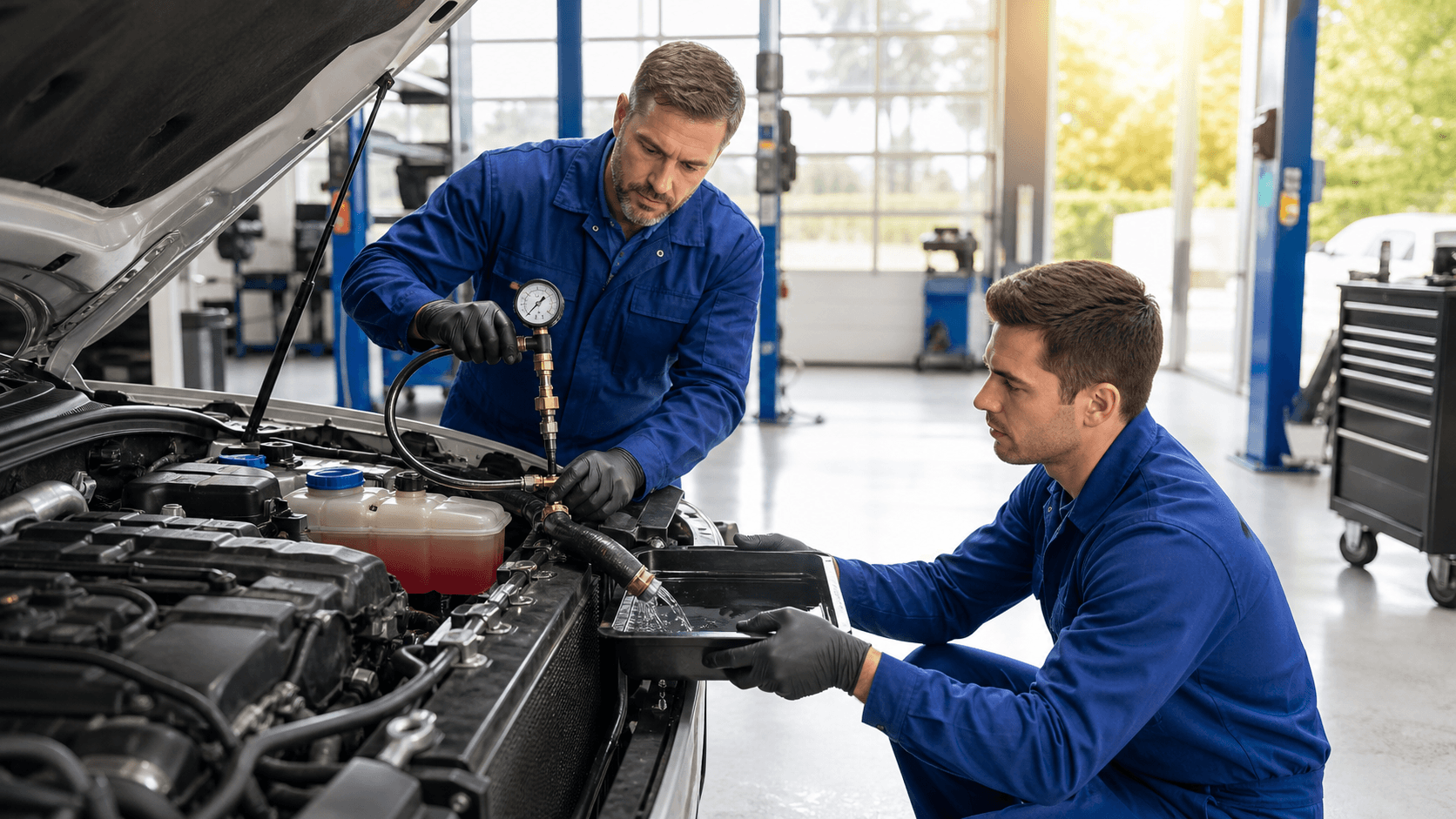
Opening a hot radiator cap is also dangerous. There is burn risk from steam, and the sudden drop in pressure can make the coolant boil, which can add stress to the system. After any repair, trapped air pockets left in the system can create local hot spots, poor heater output, and repeat overheating. Proper bleeding and refilling are key steps, not afterthoughts.
Why Modern Cooling Systems Need Real Diagnostics
Newer domestic, diesel, and European vehicles use more complex cooling setups than older models. There are often:
- Multiple temperature sensors
- Electric fans with variable speeds
- Separate circuits for the engine, turbo, and sometimes transmission
If you skip diagnostics, you can miss problems like:
- Weak water pumps that move enough coolant at idle but not at highway speeds
- Sticking thermostats that open late or only partway
- Cooling fans that fail only under certain conditions
- Cracked plastic fittings that leak only when hot and under pressure
- Tiny leaks that show up only during a pressure test
A professional shop checks more than just the visible puddle. Common tests include:
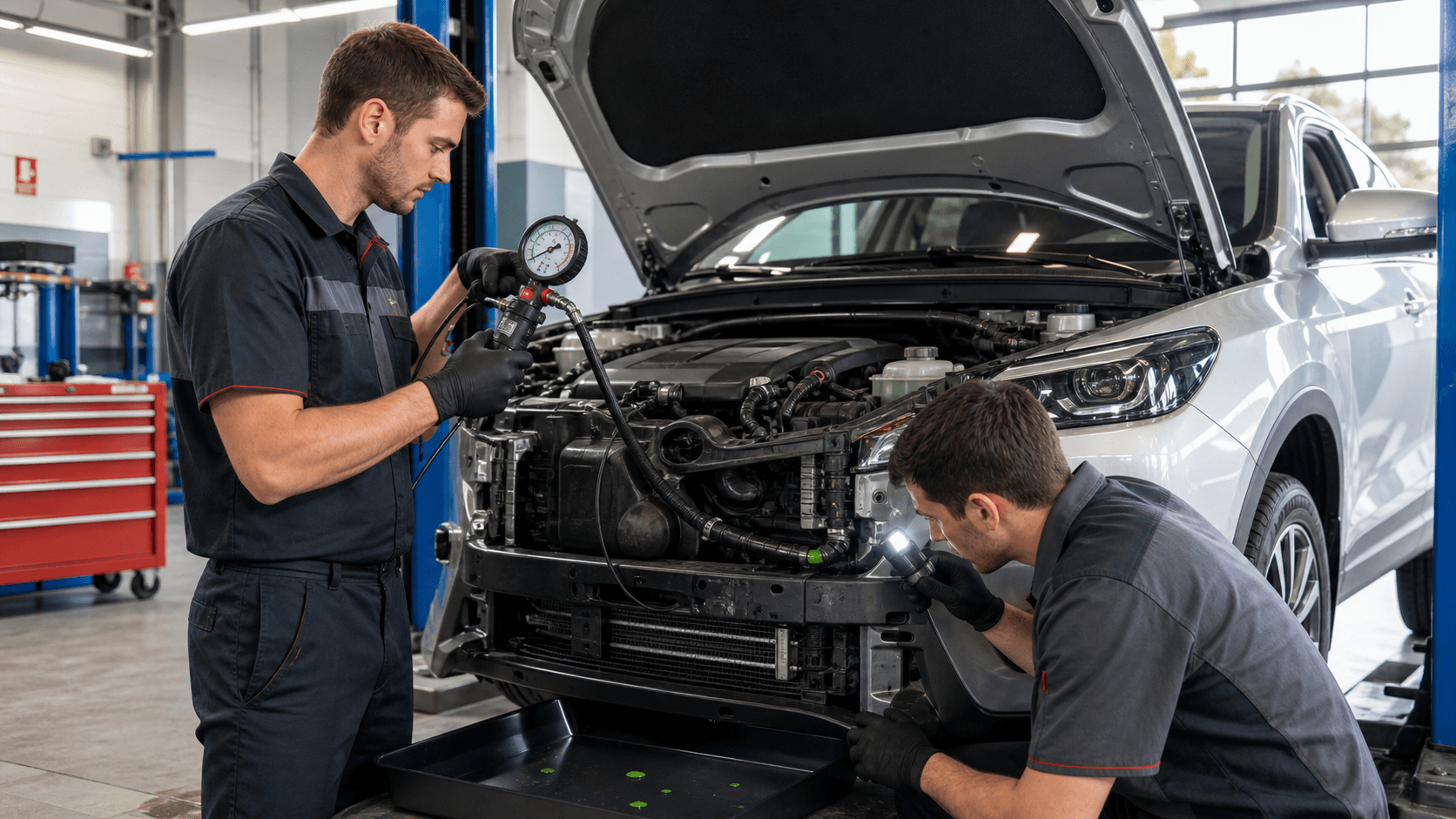
- Cooling system pressure testing to find leaks that do not drip cold
- Dye tests with UV light for hard-to-see seepage
- Checking for exhaust gases in the coolant that point toward head gasket trouble
- Scanning the engine computer for temperature codes and fan control issues
This kind of testing helps avoid replacing good parts and missing the real cause of overheating or coolant loss.
Seasonal Coolant Care
As the weather cools and holiday travel approaches, it is smart to know your coolant is ready before you load the family or hook up a trailer. A simple fall checkup should include:
- Checking coolant level and freeze protection strength
- Inspecting hoses and clamps for soft spots, cracks, or bulges
- Testing the radiator cap so it holds proper pressure
- Confirming that the heater warms up quickly and stays warm
Fixing leaks before freezing nights hit is important. Low or weak coolant can lead to:
- Freeze damage in the engine or radiator
- Cracked plastic parts
- Broken fittings that fail on the road
Coolant Leak Repair FAQ
Here are common coolant leak repair questions we hear from local drivers:
- How much does coolant leak repair usually cost?
Costs can range from a simple clamp or hose replacement in the $75, $250 range to larger jobs such as radiators or water pumps that can run from a few hundred dollars into the $600, $1,200 range, depending on the vehicle. Major internal issues like heater cores or head gaskets can be more. After an inspection, we provide an estimate so you know what to expect before any work starts.
- How long does coolant leak repair usually take?
Many basic repairs, such as hose, clamp, or radiator cap replacement, can be handled the same day, often within a few hours. Radiator and most water pumps are typically a same‑day or next‑day job. Larger jobs, like heater cores or head gaskets, may take 1, 3 days or more, and might require leaving the vehicle for at least one night so we can complete repairs and testing.
- What are the most common signs of a coolant leak?
Watch for puddles under the car, a sweet smell, foggy windows, low coolant in the reservoir, overheating, or weak heater performance. You may also notice the temperature gauge creeping higher than normal on hills or in traffic. If the gauge is in the red, you see steam, or you get an "engine hot" warning, it is time to stop driving right away and have the vehicle checked.
- How often should coolant be changed or inspected?
Service intervals differ between domestic, diesel, and European vehicles, but a good rule of thumb is to inspect coolant level and condition at every oil change. Many modern coolants last 5 years or 100,000 miles, while some European and diesel applications may have different intervals. We can check your specific vehicle's maintenance schedule and test the coolant to see if it is still protecting properly.
- When should I stop driving and get emergency service?
Pull over safely if you see steam, the temperature gauge goes into the red, you get "low coolant" or "engine hot" messages, hear boiling or hissing under the hood, or the heater suddenly blows cold on a cold day. Continuing to drive in these conditions can cause severe engine damage. Let the engine cool fully before anyone looks under the hood, and do not open a hot radiator cap.
- Can I keep driving if I just add water instead of coolant?
In a short‑term emergency, adding water may get you off the road or to a nearby shop. Long-term, it raises the risk of freezing, boiling, and internal corrosion, especially in our colder seasons. The correct coolant type and mix are important for engine life. Plan to have the system drained, refilled, and bled properly as soon as possible after using straight water.
- Is coolant leak repair different on diesel and European vehicles?
Many diesel and European engines use special coolant formulas and more complex layouts. They often run hotter and have more sensitive components, so proper tools, manufacturer‑approved coolants, and accurate bleeding procedures are especially important. We follow the correct specifications and testing methods for your particular diesel or European vehicle.
- How can I prevent coolant leaks and overheating problems?
Regular inspections go a long way. Having the cooling system checked at least once a year, or before long trips, helps catch small leaks, weak hoses, and caps before they fail. Replacing coolant at the recommended interval, using the correct type, and addressing any minor drips or temperature gauge changes early are the best ways to avoid major overheating damage.
- What should I tell the shop when I bring my vehicle in?
Share any details you have: how long you have noticed a leak, whether the temperature gauge has moved higher than normal, any warning messages, and whether the heater has changed performance. Let us know if you have added any stop‑leak products or mixed different coolants. This information helps us diagnose the problem faster and more accurately.
Protect Your Engine with Professional Coolant Care
Small coolant leaks, quick sealers, and guessing at parts can turn into big, expensive engine damage if the real problem is not found and fixed. Careful testing, correct coolant, and proper bleeding of the system are the best ways to protect your engine, whether you drive a domestic car, a diesel truck, or a European vehicle.
At Over the Hill Auto in Sutherlin, we work with advanced diagnostics, repairs, and maintenance for a wide range of vehicles, including domestic, diesel, and European models. A professional cooling system check or coolant leak inspection can help you head into colder weather and longer trips with confidence that your engine is protected.
Stop Coolant Leaks Before They Cause Bigger Engine Damage
If you suspect a coolant issue, our team at Over the Hill Auto can inspect your system and provide reliable coolant leak repair to protect your engine. We will pinpoint the source of the leak, explain your options clearly, and get you back on the road with confidence. To schedule an appointment or ask a question, simply contact us today.