Stop Guessing What Is Wrong with Your Car
When your car starts acting up, it is easy to feel stuck between two choices. Do you just take it for a quick drive to see what happens, or do you go straight to professional auto diagnostic services? Many Sutherlin drivers are not sure which is the safer and smarter move.
This guide walks you through a simple way to decide. We will show you when a careful test drive inspection can help and when you should skip driving and go right to diagnostics. As a local NAPA AutoCare and ProVantage repair shop, we offer both options and back our work with nationwide-backed warranties, so you can drive with more confidence.
Know the Warning Signs Before You Hit the Road
Some problems are not safe to "test drive and see." If you notice any of these, it is better to stop driving and talk with a professional before you keep going:
- Flashing check engine light
- Strong fuel, hot oil, or burning smells
- Sudden loss of power or rough shaking
- Loud grinding, clunking, or metal-on-metal noises
Other issues might be okay for a short, careful drive to help spot the symptom. These are the kinds of things that often show up only while moving:
- Mild steering wheel vibration at certain speeds
- Occasional squeaks over bumps
- Slight pull in the steering that comes and goes
- Noises that only happen on the highway or when turning
Summer driving around Sutherlin can be tough on vehicles. Heat and long grades can push your cooling system, AC, brakes, and suspension harder than normal. Pay extra attention if you notice:
- Temperature gauge climbing higher than normal
- AC that blows warm air after the car heats up
- Soft or fading brake pedal on long downhill stretches
- Extra sag or sway if you are towing a boat or camper
If you are unsure whether it is safe to drive, it is always better to talk with a shop before you head back out on the road.
When Auto Diagnostic Services Are the Smart First Step
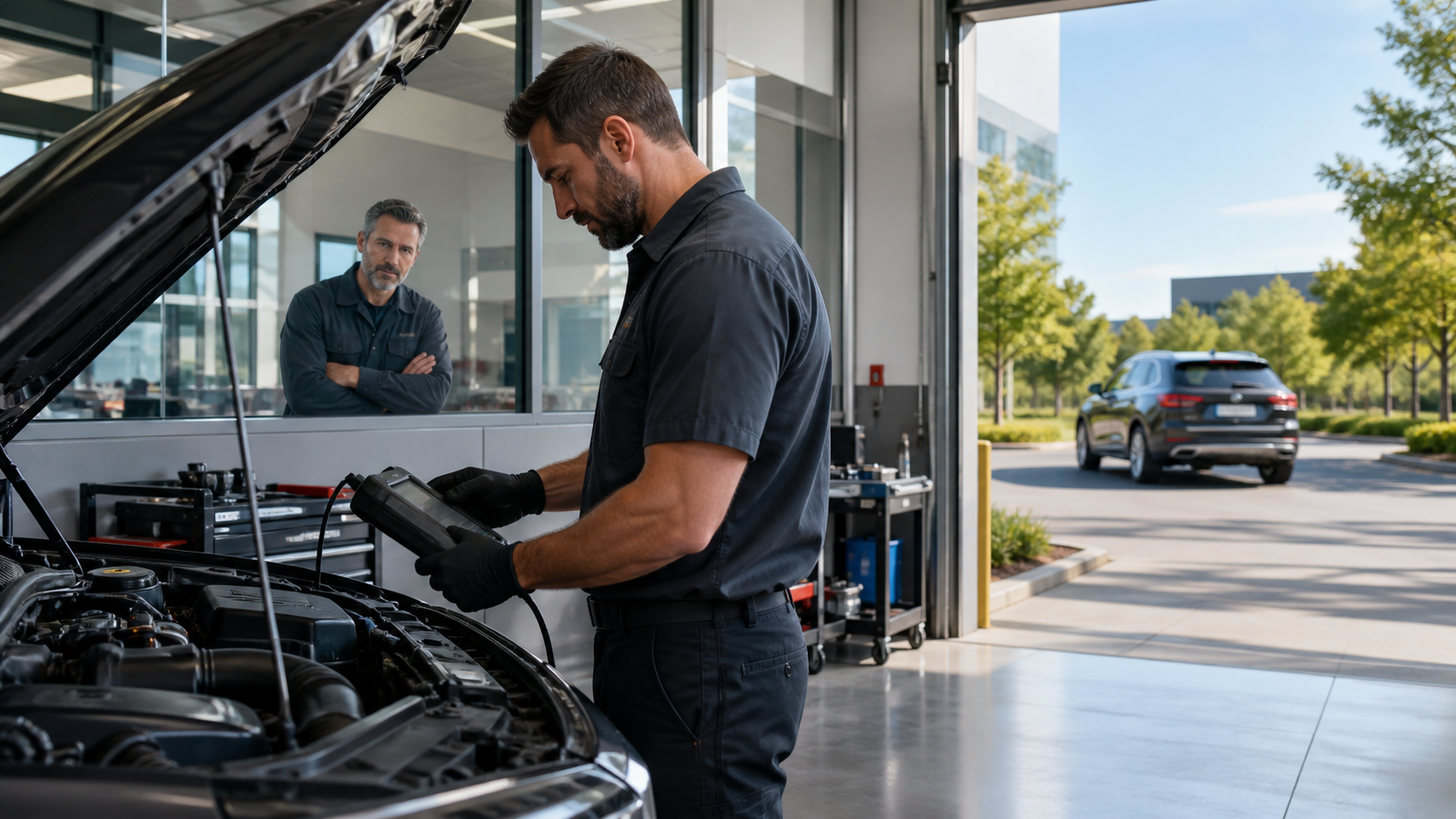
Auto diagnostic services are more than just plugging in a scanner. A proper diagnostic visit usually includes:
- Reading trouble codes from your vehicle computer
- Checking live data, such as sensor readings and fuel trims
- Running pinpoint tests on the systems that look suspicious
- Using manufacturer information to track down root causes
Diagnostics are often the right first move when electronics and sensors are likely involved. That typically includes problems like:
- Any warning light that stays on, especially a flashing check engine light
- Hard starting, no-start situations, or repeated stalling at stops
- Transmission that slips, hesitates, or shifts harshly
- Sudden drops in fuel economy that come with drivability issues
The big advantage of proper diagnostics is less guessing. With the right tools and information, we can:
- Narrow the problem faster
- Avoid random "parts swapping" that wastes money
- Confirm what failed before recommending repairs
As a NAPA AutoCare and ProVantage shop, we also have access to technical information and nationwide-backed warranties on qualifying repairs. That can bring extra peace of mind if you are taking long drives across Oregon.
How a Test Drive Inspection Helps Your Mechanic Listen
While computers tell us a lot, a professional test drive inspection lets us feel and hear what you feel and hear. During a test drive, a technician may:
- Reproduce clunks, creaks, or rattles on bumps and turns
- Check steering feel and how straight the car tracks
- Test brake response, pedal feel, and any pulsation
- Watch for vibrations at specific speeds or during acceleration
- See how the car behaves on hills, curves, and freeway ramps
This approach is often best for problems that only show up while the car is moving or hitting bumps, such as:
- Suspension clunks on rough or gravel roads
- Brake pulsation you feel through the steering wheel or pedal
- Highway-speed vibrations that smooth out at lower speeds
- Wind or road noise that gets loud above a certain speed
At our shop, we often combine a road test with an inspection in the bay. Once we experience the issue on the road, we can look underneath, check wheels, brakes, and suspension parts, and then decide if deeper auto diagnostic services are needed to finish the job.
Step-by-Step Guide to Troubleshooting Your Car Issue
You do not need to be a mechanic to make smart first steps. Use this simple path when something feels off:
- Notice symptoms
Pay attention to what you see, hear, feel, and smell.
- Check for warning lights or leaks
Look for any lights on the dash, puddles under the car, or smoke.
- Decide if it feels safe to drive
Anything that affects stopping, steering, or engine health is a red flag.
- Choose how to get to the shop
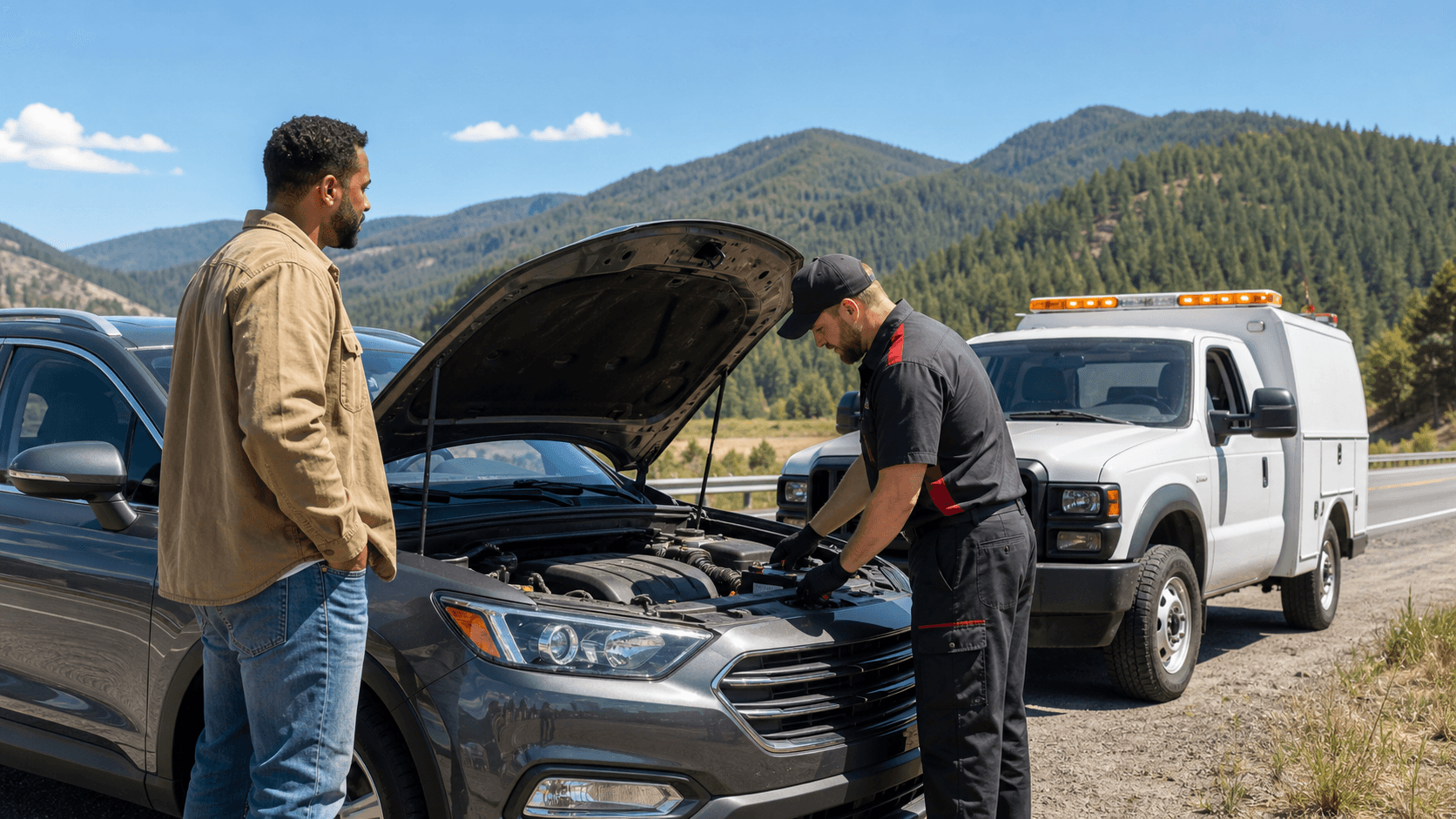
If in doubt, consider a tow instead of risking a drive.
Here are a few common examples:
- If your car hesitates on I-5: If the check engine light is flashing or the car is shaking hard, ease off the gas and get to a safe spot as soon as you can. This is usually a case for towing and full diagnostics.
- If your AC blows warm on a summer road trip: It may be safe to keep driving if everything else feels normal, but it is a good idea to have the system and engine cooling checked before your next long drive.
- If your brakes squeal heading down into Sutherlin from the hills: Light squealing might just mean the pads are getting low, but any grinding, pulsing, or fading pedal means you should slow down, avoid hard hills, and get a brake inspection as soon as possible.
Before you talk with a technician, it helps to write down:
- When the problem happens, such as cold start, warm engine, or only on hills
- What speed you are going when you notice it
- Weather and road conditions, like hot day, rain, gravel, or highway
- Any sounds, smells, or warning lights that show up
The more details you share, the easier it is for us to decide whether to start with a test drive, auto diagnostic services, or a mix of both.
FAQ About Diagnostics for Sutherlin Drivers
How Much Do Auto Diagnostics and Inspections Cost?
Diagnostic work and basic inspections are billed differently. A quick test drive or simple visual inspection often takes less time and may cost less, while scan-based diagnostic services usually involve more tools, equipment, and testing steps. We explain what type of time and testing your concern is likely to need, and provide an estimate before we begin.
How Long Does Auto Diagnostic Service Usually Take?
A short test drive and visual inspection can sometimes be done the same day, depending on the schedule. More complex problems, such as intermittent stalling, warning lights that come and go, or electronic issues, may take longer or require return visits so we can catch the problem when it acts up.
What Symptoms Mean I Should Schedule Diagnostics Right Away?
Plan on diagnostic help right away if you notice:
- Stalling, hard starting, or the engine dying at stops
- Any flashing warning light
- Overheating or coolant pushing out of the reservoir
- Transmission slipping, surging, or delayed engagement
Issues like mild squeaks or slight steering pull might be safe to monitor briefly, but should still be checked soon so they do not grow into bigger problems.
How Often Should I Get Diagnostic Checks or Related Maintenance?
Regular oil changes, fluid checks, and tune-up-style services prevent many drivability and electrical problems that later require diagnostics. Follow your owner's manual for basic service intervals, and consider a diagnostic check when a new warning light appears or a new drivability symptom starts. It is also smart to have your cooling system, AC, and brakes looked over before long summer road trips, especially if you plan to tow.
When Is It Unsafe to Drive and Better to Call a Tow Truck?
It is usually unsafe to drive if you have:
- Brake failures or a pedal that goes to the floor
- An engine that overheats or spits out coolant
- Strong burning or raw fuel smells
- Severe misfires that shake the whole car
In those cases, a tow is often the best choice to protect both you and your vehicle.
What Kind of Warranty Comes with Diagnostic-Based Repairs?
As a NAPA AutoCare and ProVantage repair shop, Over the Hill Auto pairs accurate troubleshooting with nationwide-backed warranties on qualifying repairs that follow diagnostics. When the cause is found correctly the first time, you protect your investment in parts and labor and gain more confidence every time you head out on the road.
Get Accurate Answers About Your Car's Performance Today
If your check engine light is on or something just feels off, we can pinpoint the issue quickly with our auto diagnostic services. At Over the Hill Auto, we use professional-grade tools and real-world experience to find the root cause instead of guessing at repairs. Schedule an appointment or ask a question anytime through our contact page, and we will help you figure out the next right step for your vehicle.