Introduction
As the spring days start to warm up here in Sutherlin, it's easy to think about road trips, open windows, and maybe finally switching the heater off. But before jumping fully into summer driving, it's worth checking under the hood, especially the radiator. That system does a lot more than many drivers realize, especially during spring-to-summer transitions.
Radiators don't take a break just because winter is over. In fact, they're critical once temperatures climb and driving conditions change. Whether you're staying local or heading over the hills for a weekend escape, making sure your radiator is ready can mean the difference between a smooth trip and one that ends with steam under the hood. Let's talk about how radiator repair fits into smart seasonal car care and whether it's something worth moving up on your spring to-do list.
What the Radiator Does and Why It Matters
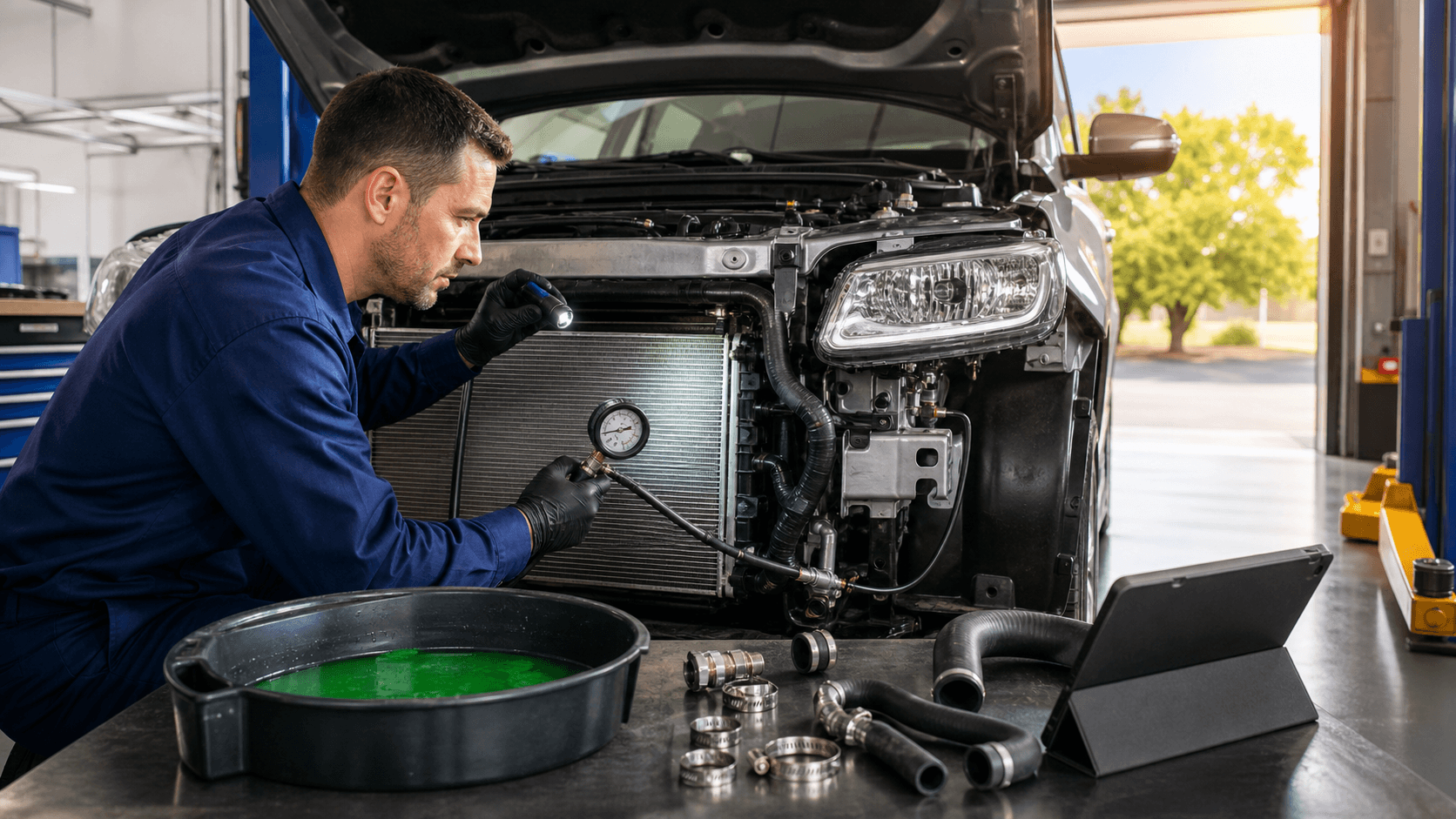
The radiator is part of your car's cooling system, and its main job is to keep your engine from getting too hot. When your engine runs, it builds up heat fast. The cooling system pulls that heat away, and the radiator helps get rid of it by using airflow to cool down the fluid that's been cycling through the engine.
Coolant travels through the engine and picks up heat. As that fluid passes through the radiator, the heat transfers out into the air. The fan helps push this process along, especially when the car isn't moving fast enough to catch a breeze. Then, cooled fluid loops back into the engine to start the cycle again.
Things start to go wrong when part of that system gets clogged, cracked, or doesn't keep up. In warmer weather, your engine is already working harder. Add extra hills, AC use, or heavy traffic, and you've got a recipe for overheating if your radiator can't keep up. That's why regular attention to the cooling system is necessary, especially since many problems develop slowly before showing symptoms.
As a NAPA AutoCare Center, Over the Hill Auto uses top-quality coolant and genuine replacement parts for all radiator repairs, with nationwide warranty coverage for worry-free driving.
Signs Your Radiator Might Need Attention
A radiator problem doesn't always start with smoke pouring from under the hood. Some signs are subtle, especially in the early stages. Paying attention can help catch issues before they leave you stuck on the side of the road.
- Puddles or stains under the front of your car could mean a coolant leak
- You might notice the temperature gauge inching up during longer drives
- Steam rising from the hood after driving or a slightly sweet smell can point to a stressed system
- If you've topped off coolant more than once lately, it may be disappearing into a hidden leak
Any one of these signs could suggest that your radiator needs a closer look. Even if your car seems to run smoothly, a small leak or clog can lead to bigger trouble if left alone through the warmer months. Sometimes, the signs can seem almost unnoticeable, like the heater not blowing as warm, or the defroster taking longer to clear the windshield. It's easy for busy drivers to overlook these kinds of subtle differences, but resolving them now helps prevent more serious trouble when you least expect it.
How Seasonal Change Affects Cooling Systems in Oregon
Here in Douglas County, spring doesn't always give us a clean break from winter. We switch back and forth between cool mornings and sunny afternoons. That type of change can put extra pressure on parts like hoses and thermostats, which means the radiator ends up carrying the weight.
By late spring, driving habits shift too. We use the AC more, take longer drives, and climb some serious hills. All of that means the cooling system works harder, and any weak links show up faster. Older systems, in particular, can start struggling once daytime highs rise, even if they seemed fine through the winter.
Catching issues early gives us more control over the season. No one wants to be parked on the shoulder, waiting for the heat to ease off so the car will start again. The repetitive thawing and freezing that often happens between March and May can also add stress to seals and gaskets. When things warm up, older hoses might become brittle, making leaks or unwanted cracks more likely just before the busiest months of the driving year.
Reasons to Consider Radiator Repair Sooner, Not Later
Putting off radiator care can lead to more than just an overheated drive. The cooling system protects a lot of expensive engine parts, and once that protection starts to slip, the repairs get more serious.
- A minor radiator problem today could turn into warped engine pieces tomorrow
- Replacing hoses or clearing blockages early keeps the whole system healthier
- Spring repairs help avoid summer breakdowns, where wait times are longer and heat makes everything more uncomfortable
By checking things now, we avoid the stress and cost of needing bigger repairs later. Radiator repair doesn't always mean a full replacement. Sometimes it's just a matter of spotting a loose clamp, clearing buildup, or replacing a worn-out hose. But none of that happens if we don't take time to look.
As an AutoZone Provantage Center, we stock premium hoses, caps, and other cooling system parts for fast repairs and same-day service on most vehicles. Taking this step early can help the rest of your spring and summer go smoothly, without stressing over whether your vehicle will make the trek over the next pass.
A Smart Step Before Summer Hits
Taking care of your radiator now helps keep spring and summer driving easy and reliable. With warmer days ahead, extra strain on the engine becomes a sure thing. A radiator in good shape handles that shift without complaint, so you're less likely to end up stranded.
If your car's been giving you a few warning signs or if winter maintenance fell behind, now's the time. Getting ahead of radiator trouble gives peace of mind and keeps small stuff from turning into serious delays when the heat sets in. Watching for changes in temperature, leaks, or heater performance are simple steps on busy mornings and might make the difference between an easy solution and a difficult breakdown.
At Over the Hill Auto, we know a relaxing spring drive in Sutherlin can quickly become stressful if your car's cooling system isn't performing at its best. Noticing issues like rising engine temperatures or spots under your vehicle? Don't let a minor concern turn into a bigger problem down the road. For peace of mind as the weather heats up, check our radiator repair options and give us a call today.